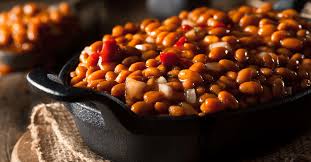

Baked beans are a beloved comfort food around the world, known for their rich flavor, sweet and savory sauce, and versatility as a side dish or even a meal on their own. They are commonly made with navy beans, tomato sauce, brown sugar, and a variety of seasonings, though recipes can vary widely. Whether cooked from scratch or purchased canned, baked beans are convenient, satisfying, and delicious. But what happens when you make or open more baked beans than you can eat at one sitting? Naturally, you might wonder: Can you freeze baked beans? And if so, how can you do it without compromising their taste or texture?
Freezing baked beans might seem straightforward, but there are important considerations to ensure they remain safe to eat and still taste fresh. This article explores everything you need to know about freezing baked beans, from best practices to thawing and reheating, while also addressing common mistakes to avoid.
Why You Might Want to Freeze Baked Beans
There are several reasons you might want to freeze baked beans:
- Prevent Food Waste: If you’ve cooked a large batch, freezing leftovers ensures nothing goes to waste.
- Convenience: Freezing allows you to prepare meals in advance. Having frozen baked beans on hand means you can quickly add them to breakfast, lunch, or dinner without starting from scratch.
- Cost-Effectiveness: Buying beans in bulk or making large homemade batches can save money. Freezing extends their shelf life, making your effort worthwhile.
- Preserve Seasonal Ingredients: Homemade baked beans often use seasonal flavors, like fresh tomatoes or molasses. Freezing lets you enjoy these flavors year-round.
Can Baked Beans Be Frozen?
The simple answer is yes, baked beans can be frozen. Both homemade and canned baked beans can be safely stored in the freezer for later use. However, it’s important to follow proper procedures to ensure they maintain their flavor, texture, and safety.
What Happens When You Freeze Baked Beans?
Freezing affects the water content of foods. In baked beans, water expands as it freezes, which can slightly alter the texture of the beans and the consistency of the sauce. Proper preparation and storage techniques can minimize these effects.
- Texture: Beans might become a bit softer after freezing, but this is usually not noticeable when reheated in a sauce.
- Flavor: The flavor remains largely intact, though some subtle notes might change depending on the ingredients used.
- Sauce Separation: Tomato-based sauces may separate slightly. Stirring thoroughly during reheating will restore their consistency.
How to Freeze Baked Beans Properly
Freezing baked beans is simple, but small details make a big difference in preserving quality. Follow these steps:
Step 1: Cool the Beans
If you’ve just cooked your baked beans, allow them to cool completely. Placing hot beans directly in the freezer can cause condensation, which may create ice crystals and compromise texture. Cooling also helps prevent the growth of harmful bacteria.
Step 2: Portion the Beans
Decide how you will use the beans later and portion them accordingly. Freezing in small portions is more convenient than freezing a large bulk because you can thaw only what you need.
Step 3: Use Freezer-Safe Containers
- Plastic Freezer Bags: These are ideal for saving space. Make sure to remove as much air as possible before sealing.
- Plastic or Glass Containers: Choose containers with airtight lids. Leave a little space at the top for expansion as the beans freeze.
Step 4: Label and Date
Always label containers with the date of freezing. Baked beans can typically be stored in the freezer for up to six months without significant loss of quality. After that, flavor and texture may deteriorate.
Tips for Maintaining Quality While Freezing
- Avoid Adding Dairy Before Freezing: Ingredients like cheese, cream, or milk can separate during freezing and thawing. Add them after reheating if needed.
- Use Low-Sugar Sauces: High sugar content can sometimes cause beans to become mushy after freezing. Slightly reducing sugar can help.
- Blanch Beans for Homemade Recipes: If using fresh beans, blanching before cooking can help preserve texture.
- Cool Completely Before Freezing: This step is crucial for food safety and texture preservation.
How to Thaw Frozen Baked Beans
Proper thawing is important to avoid food safety issues and ensure beans taste their best.
Option 1: Refrigerator Thawing
- Transfer frozen beans to the refrigerator and allow them to thaw overnight.
- This is the safest method and maintains the best texture.
- Once thawed, beans should be eaten within 3–4 days.
Option 2: Microwave Thawing
- Place beans in a microwave-safe dish and use the defrost setting.
- Stir occasionally to ensure even thawing.
- Microwave thawing is faster but can slightly affect texture if done improperly.
Option 3: Reheating from Frozen
- You can reheat baked beans directly from the freezer.
- Use a saucepan over low heat, stirring occasionally until heated through.
- You may need to add a splash of water or stock to loosen the sauce.
Reheating Frozen Baked Beans
When reheating baked beans, aim for even heating without overcooking:
- Stovetop Method: Place beans in a saucepan over medium-low heat. Stir regularly and add a little water if needed. Heat until bubbling and thoroughly warmed.
- Microwave Method: Cover the beans in a microwave-safe dish, leaving a small vent. Heat on medium power in 1–2 minute intervals, stirring between each interval.
- Oven Method: Place beans in an oven-safe dish, cover with foil, and heat at 350°F (175°C) for 20–30 minutes, stirring halfway through.
Common Mistakes to Avoid When Freezing Baked Beans
- Freezing Hot Beans: Can cause condensation and ice crystals, affecting texture.
- Overfilling Containers: Beans expand as they freeze. Leave some headspace to prevent containers from cracking.
- Freezing with Dairy or Creamy Additions: Can result in separation and curdling.
- Thawing at Room Temperature: Risk of bacterial growth increases. Always thaw in the fridge, microwave, or during reheating.
Frequently Asked Questions
Can You Freeze Canned Baked Beans?
Yes, canned baked beans can be frozen. Simply pour them into a freezer-safe container, label, and freeze. Follow the same thawing and reheating methods as homemade beans.
Will Freezing Change the Flavor?
Minimal change occurs. Most people find that the flavor remains intact, though sauces may separate slightly, which can be corrected with stirring.
How Long Can You Keep Baked Beans in the Freezer?
For optimal taste and quality, consume frozen baked beans within six months. They remain safe beyond that, but texture and flavor may decline.
Can You Freeze Baked Beans with Meat?
Yes, but consider that meats may release additional liquid during freezing. To maintain texture, ensure the beans are in a sauce thick enough to absorb any extra moisture.
Creative Uses for Frozen Baked Beans
- Breakfast Boost: Reheat and serve over toast or with scrambled eggs.
- Chili or Stew Base: Thawed beans can enhance flavor and texture in soups and stews.
- Casseroles: Incorporate into baked casseroles for an easy, hearty meal.
- Quick Sides: Serve as a side dish for barbecue, grilled meats, or burgers.
Conclusion
Freezing baked beans is a practical, safe, and convenient way to extend their shelf life and prevent food waste. By cooling them properly, using airtight containers, and following safe thawing and reheating techniques, you can enjoy beans that taste almost as fresh as when first cooked. Avoid common mistakes such as freezing hot beans or adding dairy before freezing, and your baked beans will retain their sweet, savory goodness for months.