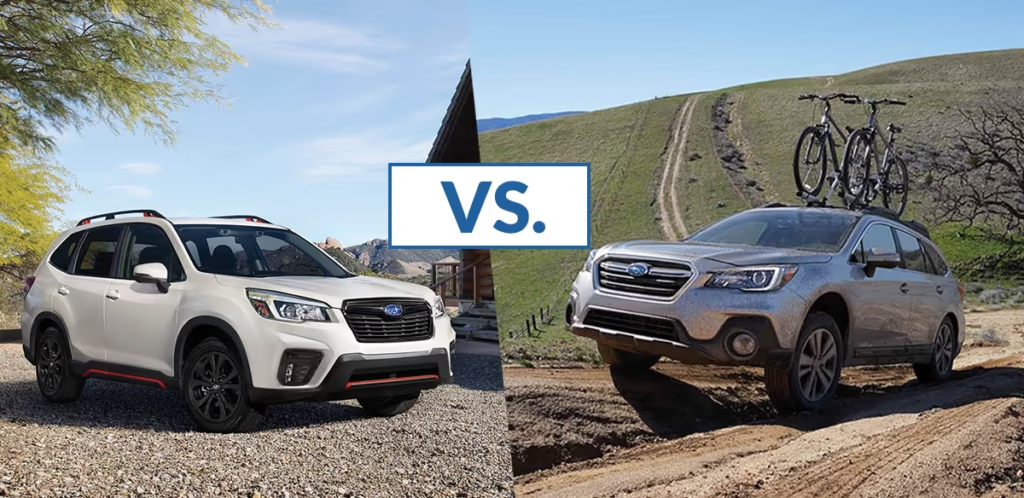

When shoppers start looking for a dependable, all-weather vehicle with a strong reputation for safety and versatility, Subaru often rises quickly to the top of the list. Among Subaru’s most popular models, the Forester and the Outback stand out as two excellent yet distinct choices. At first glance, they may appear similar—both offer standard all-wheel drive, strong safety features, and a reputation for durability—but in real-world use, they serve slightly different types of drivers.
This in-depth comparison of Forester vs Outback is designed to help you understand which model fits your lifestyle best. We’ll explore design, interior comfort, performance, fuel economy, off-road ability, technology, safety, and overall value, so you can make a confident decision without confusion.
Overview: Forester vs Outback at a Glance
Before diving into the details, it helps to understand the basic identity of each vehicle.
The Subaru Forester is a compact SUV designed with practicality, visibility, and simplicity in mind. It’s tall, boxy, and easy to maneuver, making it a favorite among families, outdoor enthusiasts, and city drivers alike.
The Subaru Outback, on the other hand, is more of a crossover wagon. It blends SUV capability with car-like driving comfort, offering a longer body, more cargo length, and a more refined feel on the road.
Both vehicles share Subaru’s DNA, but their personalities differ in meaningful ways.
Exterior Design and Styling
Subaru Forester Design
The Forester has a classic SUV shape that emphasizes function over flash. Its upright stance, wide windows, and tall roofline contribute to excellent visibility, one of the Forester’s strongest selling points.
Key design characteristics of the Forester include:
- A boxier profile that maximizes interior space
- Large windows for improved sightlines
- A higher roof that makes entry and exit easy
- Simple, rugged styling that appeals to outdoor-oriented drivers
While it may not be the most stylish vehicle on the road, the Forester’s design is honest and purposeful. It looks ready for camping trips, snowy roads, and everyday errands.
Subaru Outback Design
The Outback takes a more refined and adventurous approach. Its lower roofline and longer body give it a sleek, wagon-like appearance that feels more upscale than the Forester.
Notable Outback design features include:
- A longer, more aerodynamic silhouette
- Raised ground clearance combined with a car-like shape
- Pronounced body cladding for a rugged, trail-ready look
- A more premium exterior presence overall
The Outback strikes a balance between rugged and elegant, making it appealing to drivers who want utility without sacrificing style.
Design Verdict:
Choose the Forester if you prefer a traditional SUV shape with maximum visibility. Choose the Outback if you want a more polished, adventure-wagon look.
Interior Comfort and Cabin Space
Forester Interior Experience
Inside the Forester, the focus is clearly on comfort, space, and ease of use. The tall roof and wide cabin make it feel airy and open, even for taller passengers.
Interior highlights of the Forester:
- Excellent headroom in both front and rear seats
- Simple, intuitive dashboard layout
- Large windows that reduce blind spots
- Comfortable seating for long drives
Rear passengers benefit from generous legroom, and the upright seating position makes the Forester especially friendly for families with children or older passengers.
Cargo space is another strong point. The Forester’s tall cargo area allows for bulky items like camping gear, strollers, or sports equipment without struggle.
Outback Interior Experience
The Outback’s interior leans more toward refinement and road-trip comfort. It feels slightly more premium, with a lower seating position and a smoother overall layout.
Outback interior advantages include:
- A wider, longer cargo area
- A more car-like driving position
- Higher-quality materials in upper trims
- Better support for long highway journeys
While headroom is still good, the Outback prioritizes legroom and cargo length over height. This makes it ideal for hauling longer items like skis, bikes, or luggage.
Interior Verdict:
The Forester wins for upright space and visibility. The Outback wins for refinement and long-haul comfort.
Cargo Capacity and Practicality
Cargo space is often a deciding factor for buyers choosing between these two vehicles.
Forester Cargo Space
The Forester’s cargo area benefits from its tall design. It’s easy to load items vertically, and the low liftover height helps when lifting heavier gear.
Practical strengths:
- Tall cargo opening
- Easy access for loading and unloading
- Ideal for pets, boxes, and irregularly shaped items
Outback Cargo Space
The Outback offers more total cargo volume, especially when the rear seats are folded down. Its longer cargo floor is perfect for outdoor gear and road-trip equipment.
Practical strengths:
- Longer cargo area
- Flatter load floor
- Better suited for extended travel or camping setups
Cargo Verdict:
Forester is better for everyday hauling and tall items. Outback is better for long gear and extended trips.
Engine Performance and Driving Feel
Subaru Forester Performance
The Forester is tuned for steady, reliable performance rather than speed. Its engine delivers smooth power for daily driving, city commutes, and light off-road use.
Driving characteristics:
- Predictable acceleration
- Easy handling in tight spaces
- Stable performance in bad weather
- Confident traction thanks to all-wheel drive
The Forester feels nimble and easy to control, especially in urban environments and narrow roads.
Subaru Outback Performance
The Outback offers a more composed and confident feel at highway speeds. Its longer wheelbase provides improved stability, making it well-suited for long trips.
Driving characteristics:
- Smooth ride on highways
- Strong passing confidence
- Better towing capability in certain trims
- More planted feel on open roads
The Outback excels when covering long distances, offering a calmer and more relaxed driving experience.
Performance Verdict:
Forester is better for city driving and maneuverability. Outback is better for highway cruising and long-distance travel.
Fuel Economy and Efficiency
Fuel efficiency matters to many buyers, especially those who drive frequently.
Forester Fuel Efficiency
Thanks to its lighter weight and compact size, the Forester typically offers slightly better fuel economy. This makes it appealing for daily commuters and budget-conscious drivers.
Outback Fuel Efficiency
The Outback remains efficient for its size but may consume slightly more fuel due to its larger body and higher power potential.
Efficiency Verdict:
Forester has a small advantage in fuel economy, especially for city driving.
Off-Road and All-Weather Capability
Both vehicles benefit from Subaru’s symmetrical all-wheel-drive system, which is standard and highly regarded.
Forester Off-Road Capability
The Forester’s shorter length and excellent visibility make it easier to navigate narrow trails and uneven terrain. Its higher roof also improves awareness when driving off pavement.
Strengths include:
- Confident traction on dirt, snow, and gravel
- Easy maneuvering on trails
- Practical ground clearance
Outback Off-Road Capability
The Outback’s longer body and advanced traction systems in certain trims make it surprisingly capable off road. It’s well-suited for overlanding and backcountry travel.
Strengths include:
- Stable performance on rough terrain
- Higher towing confidence
- Excellent balance between comfort and capability
Off-Road Verdict:
Forester is easier to handle on tight trails. Outback is better for longer off-road journeys and rugged adventures.
Technology and Infotainment
Forester Technology
The Forester focuses on usability and simplicity. Controls are easy to reach, and the system is intuitive, even for less tech-savvy drivers.
Outback Technology
The Outback typically offers a more advanced infotainment setup, especially in higher trims. Larger displays and added features enhance the driving experience.
Technology Verdict:
Outback offers a more modern tech feel, while Forester prioritizes simplicity.
Safety Features and Reliability
Subaru has a strong reputation for safety, and both models reflect that commitment.
Common safety strengths:
- Strong structural design
- Advanced driver-assistance systems
- Excellent crash-test performance
- High reliability ratings
Both the Forester and Outback are excellent choices for families and safety-focused buyers.
Safety Verdict:
It’s a tie. Both models excel in safety and reliability.
Cost, Value, and Ownership Experience
Forester Value
The Forester is often more affordable at entry level, making it a great value for buyers who want Subaru quality without extra cost.
Outback Value
The Outback may cost more, but it offers additional refinement, space, and features that justify the price for many buyers.
Value Verdict:
Forester is better for budget-conscious buyers. Outback offers more premium value.
Final Verdict: Which One Should You Choose?
Choosing between the Subaru Forester vs Subaru Outback ultimately comes down to how you plan to use your vehicle.
Choose the Subaru Forester if you:
- Want maximum visibility and ease of driving
- Prefer a compact SUV with a tall cabin
- Drive mostly in cities or suburban areas
- Value fuel efficiency and simplicity
Choose the Subaru Outback if you:
- Take long road trips often
- Need more cargo length and refinement
- Want a smoother highway ride
- Enjoy outdoor adventures with extra gear
Both vehicles deliver Subaru’s hallmark reliability, safety, and all-weather confidence. There is no wrong choice—only the choice that best fits your lifestyle.