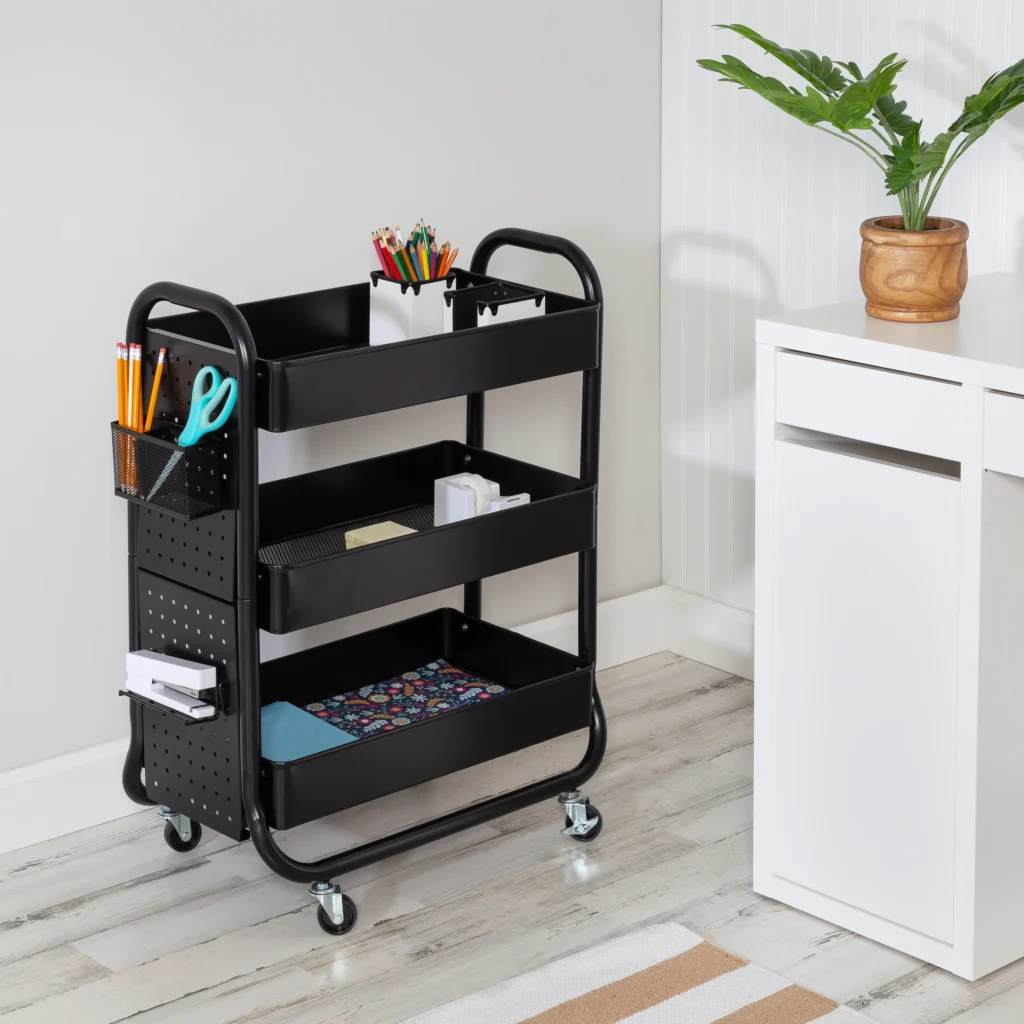

In the world of crafting, organization is everything. Whether you are a professional artist, a passionate hobbyist, or someone who enjoys DIY projects in your spare time, having the right tools and storage solutions can make all the difference. One of the most versatile and essential tools for any crafter is a craft cart. A craft cart is more than just a storage solution—it is a mobile, convenient, and stylish way to keep your crafting supplies organized, accessible, and ready for creativity. In this article, we will explore everything you need to know about craft carts, including types, benefits, uses, and tips for choosing the perfect one for your creative space.
What is a Craft Cart?
A craft cart is a multi-tiered, portable storage unit designed specifically for crafters. Typically equipped with drawers, shelves, and sometimes wheels, a craft cart allows you to organize your crafting supplies in a compact and mobile manner. Unlike traditional storage solutions, a craft cart is designed to accommodate a wide variety of supplies, including:
- Art supplies like paints, brushes, and markers
- Sewing materials such as threads, needles, and fabrics
- Paper crafting tools including scissors, adhesives, and cardstock
- Beads, jewelry-making tools, and embellishments
- Miscellaneous DIY and craft items
The versatility of craft carts makes them ideal for both small and large crafting spaces, and their mobility ensures that your creative supplies can move wherever inspiration strikes.
Types of Craft Carts
Craft carts come in many styles, each catering to different crafting needs. Understanding the different types can help you choose the best cart for your unique requirements.
1. Rolling Craft Carts
Rolling craft carts are equipped with wheels, making them highly portable. This type of cart is perfect for crafters who need to move their supplies from one room to another or store their materials away when not in use. Many rolling craft carts come with multiple drawers or bins, allowing for easy organization of smaller items.
2. Multi-Tier Craft Carts
Multi-tier craft carts typically feature three or more levels, providing ample space for larger supplies or multiple types of crafting tools. Each tier can serve a specific purpose—for example, the top shelf for frequently used items, the middle for medium-sized supplies, and the bottom for bulky materials.
3. Stationary Craft Carts
Stationary craft carts are designed to stay in one location. They often have a sturdy construction and may include features like fold-out work surfaces or built-in organizers. While they may not offer mobility, they provide a stable and durable workspace for serious crafting projects.
4. Specialty Craft Carts
Specialty craft carts are designed for specific crafting niches. For instance, some carts are tailored for scrapbooking, while others are ideal for sewing or jewelry-making. These carts often include specialized compartments or organizers to cater to the unique tools and materials required for the craft.
Benefits of Using a Craft Cart
Craft carts offer numerous advantages for crafters of all skill levels. Here are some of the main benefits:
1. Organization and Efficiency
One of the primary benefits of a craft cart is organization. With dedicated compartments and drawers, you can easily sort and store your supplies. This saves time searching for materials, helping you focus more on your creative process.
2. Portability
Many craft carts are equipped with wheels, allowing you to move your supplies from room to room. This is particularly beneficial for crafters who work in multiple spaces or need to transport supplies to workshops, classes, or craft fairs.
3. Space-Saving
Craft carts are designed to maximize storage in a compact footprint. They can fit into small rooms, closets, or corners, making them ideal for home crafters with limited space. Vertical designs, in particular, make the most of available space.
4. Customization
Craft carts often come with modular features, allowing you to customize drawers, shelves, and compartments to suit your specific needs. Some carts even allow you to add accessories like hooks, bins, or dividers for further organization.
5. Protection for Supplies
A craft cart helps protect your supplies from dust, damage, or loss. Many carts come with covered drawers or transparent containers, so you can easily see what is inside while keeping materials safe.
Key Features to Look for in a Craft Cart
When selecting a craft cart, several features can significantly enhance your crafting experience. Here are some key elements to consider:
1. Size and Capacity
The size of the craft cart should match your workspace and the quantity of supplies you have. Larger carts offer more storage but may take up more space, while compact carts are easier to fit in small areas.
2. Mobility
If you need to move your supplies frequently, choose a craft cart with smooth-rolling wheels. Lockable wheels are also beneficial to keep the cart stable while working.
3. Number of Drawers and Shelves
More drawers and shelves mean better organization. Consider the types of supplies you have—small drawers are perfect for beads or buttons, while larger drawers can store paper, fabric, or bulky tools.
4. Material and Durability
Craft carts can be made from plastic, metal, or wood. Plastic carts are lightweight and easy to clean, metal carts offer strength and durability, and wooden carts provide aesthetic appeal and stability.
5. Accessibility and Ease of Use
Look for carts with smooth-sliding drawers, open shelves, and easily reachable compartments. A well-designed craft cart ensures that all your materials are accessible without unnecessary effort.
Popular Uses of Craft Carts
Craft carts are versatile and can serve multiple purposes in different crafting domains. Here are some popular uses:
1. Art and Painting
Artists can use craft carts to organize paints, brushes, sketchbooks, and canvases. Rolling carts allow artists to move their supplies closer to their work area without cluttering the space.
2. Sewing and Needlework
Sewers can store threads, fabrics, scissors, pins, and sewing machines in a craft cart. Specialty carts for sewing often include compartments for bobbins and pattern books.
3. Scrapbooking and Paper Crafts
Scrapbookers and paper crafters can benefit from multi-tiered carts to organize paper, stickers, adhesives, and cutting tools. Clear drawers help identify items quickly, reducing project setup time.
4. Jewelry-Making
Jewelry crafters can store beads, wires, pliers, and other small tools in a craft cart. Specialized trays and compartments keep tiny items sorted and prevent loss.
5. Kids’ Craft Stations
Craft carts are also ideal for children’s craft stations. Parents can store crayons, markers, glue, and craft kits in a mobile cart that children can use independently, encouraging creativity while maintaining organization.
Tips for Maintaining Your Craft Cart
A well-maintained craft cart ensures longevity and functionality. Here are some tips to keep your cart in top condition:
- Regular Cleaning: Wipe down shelves and drawers to remove dust and residue from paints or adhesives.
- Declutter Periodically: Remove unused or expired supplies to keep the cart organized.
- Label Drawers: Use labels to identify contents, making it easier to locate materials quickly.
- Check Wheels and Mechanisms: Ensure rolling carts have functioning wheels and smooth drawer operation.
- Use Organizers: Incorporate small bins or dividers inside drawers for smaller items like beads, buttons, or pins.
How to Choose the Perfect Craft Cart for Your Needs
Selecting the right craft cart requires understanding your crafting habits and workspace requirements. Here are steps to guide your decision:
- Assess Your Supplies: Make an inventory of your crafting materials and tools.
- Measure Your Space: Determine how much room is available for a cart in your workspace.
- Identify Mobility Needs: Decide if you need a stationary or rolling cart based on your workflow.
- Prioritize Features: Focus on the number of drawers, shelf sizes, and overall capacity.
- Consider Aesthetics: Choose a cart that complements your workspace, especially if it will be visible.
Conclusion
A craft cart is an essential tool for anyone who values organization, convenience, and efficiency in their creative endeavors. From artists to hobbyists, sewing enthusiasts to kids’ craft lovers, a well-chosen craft cart can transform your crafting experience by providing easy access to supplies, maximizing space, and keeping your materials safe and organized.
Investing in a high-quality craft cart tailored to your needs ensures that you spend less time searching for supplies and more time creating. Whether you prefer a rolling multi-tier cart for mobility, a stationary wooden cart for stability, or a specialty cart for niche crafting, the right craft cart can become the centerpiece of your creative space. Elevate your crafting journey today with a craft cart that combines practicality, style, and convenience.