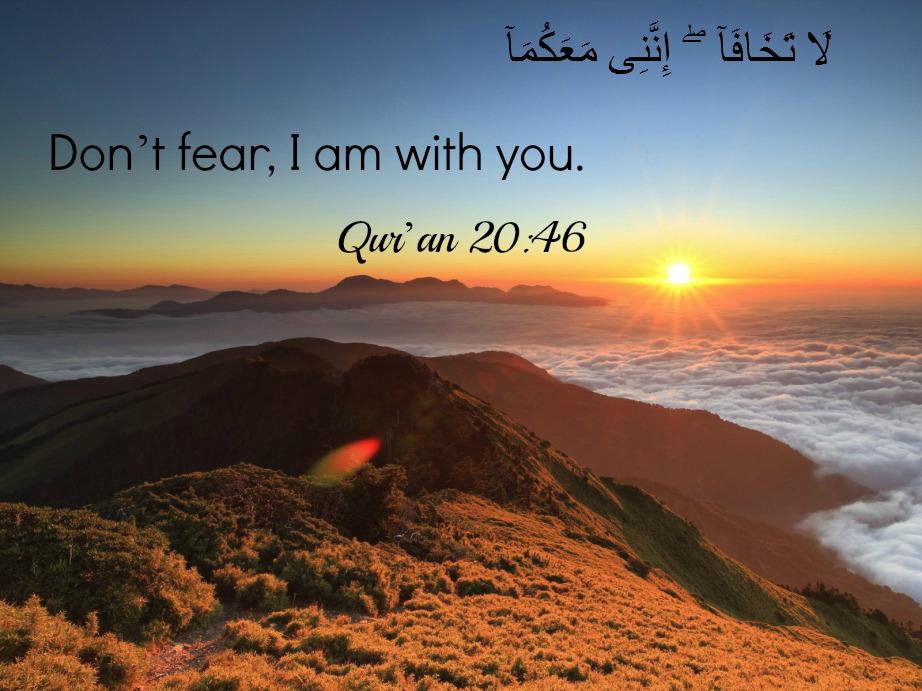

do not be afraid quran verse is one of the most natural emotions experienced by human beings. It arises in moments of uncertainty, danger, loss, or deep emotional pain. Whether it is fear of the future, fear of failure, fear of death, or fear of losing loved ones, this emotion can shape our thoughts and decisions in powerful ways. Islam, through the Qur’an, addresses fear directly and repeatedly, offering comfort, reassurance, and divine guidance.
Among the most repeated and meaningful messages in the Qur’an is the phrase “Do not be afraid” or “Do not fear”. These words are not simply motivational phrases; they are divine assurances from Allah to His servants. They appear in moments of extreme hardship, danger, and emotional distress, reminding believers that Allah is present, aware, and in control.
This article explores the meaning, context, and spiritual depth of “do not be afraid” Quran verses, how they apply to daily life, and why these verses remain deeply relevant in the modern world. The goal is to provide clarity, comfort, and strength through reflection on Allah’s words.
Understanding Fear from an Islamic Perspective
In Islam, fear itself is not considered sinful. In fact, certain types of fear are encouraged—such as fear of injustice, wrongdoing, or displeasing Allah. However, paralyzing fear, fear that leads to despair, hopelessness, or loss of trust in Allah, is discouraged.
The Qur’an distinguishes between:
- Fear that weakens faith
- Fear that strengthens consciousness of Allah (taqwa)
When Allah says “Do not be afraid,” it is often in situations where fear could overwhelm a person’s faith or prevent them from fulfilling their purpose.
The Quran’s Repeated Message: Allah Is with You
One of the core reasons the Qur’an repeatedly says “do not fear” is to remind believers that they are never alone. Allah’s presence is constant, even when unseen.
A central theme across many Quranic verses is:
- Allah sees what others do not see
- Allah knows what others do not know
- Allah controls outcomes beyond human ability
Fear often comes from a sense of isolation or lack of control. The Qur’an counters this by restoring trust in divine wisdom.
“Do Not Be Afraid” in the Story of Prophet Musa (Moses)
One of the most powerful examples of “do not be afraid” in the Qur’an is found in the story of Prophet Musa (peace be upon him).
Facing Pharaoh’s Power
Musa was sent to confront Pharaoh, one of the most tyrannical rulers in history. Pharaoh had wealth, armies, authority, and influence. Musa, on the other hand, stood with nothing but faith.
Naturally, fear entered his heart.
Allah reassured him with words that reflect divine support:
- Allah promised to be with him
- Allah promised to hear and see everything
- Allah promised victory despite the odds
This teaches believers that fear is natural, but Allah’s reassurance is greater than fear.
The Red Sea Moment
Perhaps the most iconic moment of fear in the Qur’an is when Musa and his people were trapped between the Red Sea and Pharaoh’s army. Panic spread among the people, but Musa responded with calm faith.
His message was clear:
- Allah is with us
- Allah will guide us
- Fear has no power when faith is present
This moment demonstrates that “do not be afraid” is not denial of danger, but confidence in Allah’s help.
“Do Not Fear” in the Life of Prophet Muhammad (ﷺ)
The Qur’an also comforts Prophet Muhammad (peace be upon him) during times of intense emotional pressure.
The Cave of Thawr
During the migration (Hijrah) from Makkah to Madinah, the Prophet and Abu Bakr hid in a cave while enemies searched for them. Abu Bakr felt fear for the Prophet’s safety.
The Prophet calmly reassured him:
- Allah is with us
- There is no reason to fear
This moment is deeply emotional and spiritually rich. It shows how faith transforms fear into peace, even when danger is close.
Quran Verses That Say “Do Not Be Afraid” in Meaning
Although the exact wording may vary, the Qur’an repeatedly delivers the same message through different expressions:
- Do not fear, for Allah is with you
- Do not grieve, victory is near
- Do not lose hope in Allah’s mercy
- Do not be afraid of people; fear Allah instead
These verses are not abstract ideas. They were revealed during real crises—wars, persecution, loss, and hardship.
Why Allah Says “Do Not Be Afraid” to Believers
1. Fear Weakens Faith
Fear can make people forget Allah’s promises. When fear dominates, trust in divine wisdom fades. The Qur’an restores balance by reminding believers where true strength lies.
2. Fear Clouds Judgment
Many wrong decisions are made out of fear:
- Fear of poverty
- Fear of rejection
- Fear of criticism
The Qur’an teaches that sustenance, honor, and destiny are all in Allah’s hands.
3. Fear Prevents Action
Believers are meant to stand for truth, justice, and morality. Fear can silence truth. That is why Allah repeatedly commands believers not to fear creation, but to remain conscious of the Creator.
Psychological Comfort in Quranic Reassurance
Modern psychology confirms what the Qur’an taught centuries ago: reassurance, support, and belief in a higher purpose reduce anxiety.
The Quran’s message of “do not be afraid” provides:
- Emotional stability
- Mental resilience
- Spiritual grounding
Unlike temporary motivational quotes, Quranic reassurance is rooted in eternal truth, not changing circumstances.
“Do Not Be Afraid” and the Concept of Tawakkul (Trust in Allah)
One of the strongest Islamic concepts connected to fear is tawakkul, or complete trust in Allah.
When Allah says “do not be afraid,” it is often followed by a reminder to:
- Rely on Allah
- Be patient
- Remain steadfast
Tawakkul does not mean ignoring reality. It means doing your best while trusting Allah with the outcome.
Applying “Do Not Be Afraid” Quran Verses in Daily Life
Fear of the Future
Many people fear what lies ahead:
- Career uncertainty
- Financial instability
- Global crises
The Qur’an teaches that:
- Tomorrow is already known to Allah
- No hardship comes without purpose
- Allah’s plan is better than human planning
Fear of Failure
Failure can damage self-worth and motivation. Quranic reassurance teaches believers that:
- Failure is not final
- Every hardship carries wisdom
- Allah rewards effort, not just results
Fear of Loss
Loss of loved ones, health, or stability is deeply painful. The Qur’an acknowledges grief but reminds believers that:
- Allah is the Most Merciful
- Every soul returns to Him
- Patience brings immense reward
Spiritual Strength Through Quranic Reflection
Reflecting on Quran verses about fear changes how believers experience hardship. Instead of asking “Why is this happening to me?” faith leads to questions like:
- “What is Allah teaching me?”
- “How can I grow through this?”
This shift transforms fear into spiritual growth.
Why These Verses Still Matter Today
In a world filled with uncertainty, conflict, and pressure, the Qur’an’s message of “do not be afraid” is more relevant than ever.
Modern fears include:
- Mental health struggles
- Social pressure
- Economic instability
- Loss of identity
The Qur’an offers timeless reassurance:
- Allah does not abandon His servants
- Hardship is temporary
- Faith brings inner peace beyond circumstances
Conclusion: Fear Fades When Faith Grows
The Quranic message of “do not be afraid” is not a denial of pain or danger. It is an invitation to rise above fear through trust in Allah. These verses teach believers that fear loses its power when the heart is connected to the Creator.
From the stories of the prophets to the personal struggles of everyday believers, the Qur’an remains a source of strength, courage, and peace. When fear enters the heart, Allah’s words remind us to stand firm, remain patient, and trust His wisdom.