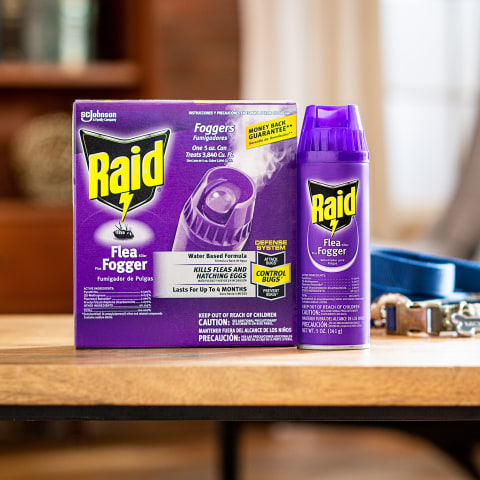

Fleas are among the most frustrating household pests. Once they invade a home, they reproduce rapidly, bite humans and pets, and hide in the smallest cracks where they are difficult to reach. Many homeowners turn to flea bombs as a fast and powerful solution, hoping for immediate relief from an infestation. But what exactly are flea bombs, how do they work, and are they truly effective?
This in-depth guide explores everything you need to know about flea bombs, including how they work, when to use them, their benefits, risks, safety precautions, and alternatives. Whether you are dealing with a minor flea problem or a severe infestation, this article will help you make an informed decision.
What Are Flea Bombs?
Flea bombs, also known as foggers, are pesticide products designed to release insect-killing chemicals into the air in the form of a fine mist or fog. Once activated, the fog spreads throughout an enclosed space, settling on floors, furniture, carpets, and other surfaces where fleas may live or hide.
The main goal of a flea bomb is to kill adult fleas and, in some cases, flea larvae. Most flea bombs are intended for indoor use and are commonly used in homes, apartments, garages, and sometimes vehicles.
How Flea Bombs Work
When a flea bomb is activated, it releases a pressurized insecticide aerosol that fills the room. The tiny particles land on exposed surfaces, killing fleas that come into direct contact with the chemicals.
Key Mechanisms of Action
- Airborne dispersion: The fog spreads evenly throughout the space.
- Surface contact: Fleas die when they touch treated surfaces.
- Nervous system disruption: Most flea bombs use chemicals that attack the flea’s nervous system, leading to paralysis and death.
It is important to understand that flea bombs primarily target adult fleas. Eggs and pupae are often protected by their shells and may survive the initial treatment.
Common Ingredients in Flea Bombs
Flea bombs usually contain one or more insecticides. Some of the most common include:
Pyrethroids
Synthetic chemicals modeled after natural insecticides found in chrysanthemum flowers. They are effective at killing fleas quickly but may not stop reproduction.
Insect Growth Regulators (IGRs)
These chemicals interfere with the flea life cycle by preventing eggs from hatching or larvae from developing into adults.
Propellants
Used to disperse the insecticide into the air. These are often flammable and require careful handling.
Benefits of Using Flea Bombs
Flea bombs are popular for several reasons, especially among homeowners seeking a fast solution.
1. Wide Coverage
Foggers treat large areas at once, reaching multiple rooms with minimal effort.
2. Convenience
Once set up, flea bombs require little manual labor compared to sprays or powders.
3. Fast Results
Many people notice a significant reduction in flea activity shortly after treatment.
4. Cost-Effective
Compared to professional pest control services, flea bombs are relatively affordable.
Limitations and Drawbacks of Flea Bombs
Despite their popularity, flea bombs are not a perfect solution.
Limited Penetration
Flea bombs do not effectively reach:
- Under furniture
- Inside cracks and crevices
- Deep within carpets or upholstery
Flea Eggs May Survive
Since flea eggs are often resistant to insecticides, infestations may return within weeks.
Health Risks
Improper use can expose humans and pets to harmful chemicals.
Fire and Explosion Risk
Foggers can be dangerous if used near flames or pilot lights.
Are Flea Bombs Safe?
When used correctly, flea bombs can be safe. However, misuse increases the risk of health problems and accidents.
Potential Health Effects
- Skin irritation
- Eye irritation
- Headaches
- Nausea
- Breathing problems (especially for people with asthma)
Who Should Be Extra Cautious
- Children
- Pregnant women
- Elderly individuals
- People with respiratory conditions
- Pets (especially birds and fish)
How to Use Flea Bombs Safely and Effectively
Proper preparation is critical for successful flea control.
Step 1: Prepare Your Home
- Remove pets, people, and plants
- Cover or remove food and dishes
- Turn off air conditioners and fans
- Open cabinets and drawers
- Vacuum carpets and furniture before treatment
Step 2: Place the Flea Bomb Correctly
- Position the fogger in the center of the room
- Elevate it slightly for better distribution
- Use the correct number of foggers based on room size
Step 3: Activate and Leave
- Follow instructions carefully
- Leave the home immediately
- Stay out for the recommended time (usually 2–4 hours)
Step 4: Ventilation and Cleanup
- Open windows and doors upon return
- Air out the home thoroughly
- Wipe down surfaces
- Vacuum again to remove dead fleas
Flea Bombs and Pets: What You Must Know
Pets are often the primary carriers of fleas. Treating your home without treating your pet will almost always lead to reinfestation.
Important Pet Safety Tips
- Remove pets before fogging
- Do not allow pets back until surfaces are dry
- Wash pet bedding after treatment
- Use veterinarian-approved flea treatments on pets
Do Flea Bombs Kill Flea Eggs?
Most flea bombs do not effectively kill flea eggs. Eggs are often protected within carpet fibers or cracks in flooring. This is why flea infestations often return after a single treatment.
Best Strategy
- Use flea bombs combined with:
- Insect growth regulators
- Regular vacuuming
- Pet treatments
- Follow-up treatments after 10–14 days
How Long Do Flea Bombs Last?
The effects of flea bombs typically last anywhere from a few days to several weeks, depending on:
- Severity of infestation
- Ingredients used
- Environmental conditions
- Whether follow-up treatments are applied
Without proper maintenance, fleas can return quickly.
Flea Bombs vs Other Flea Control Methods
Flea Bombs vs Sprays
Sprays allow targeted application and better penetration into cracks but require more manual work.
Flea Bombs vs Powders
Powders last longer but can be messy and may pose inhalation risks.
Flea Bombs vs Professional Pest Control
Professional services are more thorough but significantly more expensive.
When Flea Bombs Are a Good Choice
Flea bombs are most effective when:
- The infestation is moderate
- The home is properly prepared
- Pets are treated simultaneously
- Follow-up cleaning is performed
When Flea Bombs Are Not Enough
You may need additional methods if:
- Fleas return repeatedly
- The infestation is severe
- Multiple pets are involved
- The home has many carpets or hidden spaces
In such cases, integrated pest management is recommended.
Common Mistakes to Avoid When Using Flea Bombs
- Using too many foggers
- Failing to treat pets
- Not ventilating the home properly
- Ignoring safety instructions
- Skipping follow-up treatments
Environmental Impact of Flea Bombs
Flea bombs release chemicals into indoor environments, and excessive use may contribute to pollution and pesticide resistance. Responsible usage minimizes environmental harm.
Tips for Preventing Future Flea Infestations
- Vacuum regularly
- Wash pet bedding weekly
- Use preventive flea treatments on pets
- Seal cracks and crevices
- Maintain yard hygiene
Frequently Asked Questions About Flea Bombs
Do flea bombs work the first time?
They reduce adult fleas but often require follow-up treatments.
Can I sleep in my house after using a flea bomb?
Only after proper ventilation and cleaning.
How many flea bombs do I need?
Depends on square footage. Always follow label instructions.
Final Thoughts on Flea Bombs
Flea bombs can be a useful tool in the fight against fleas, but they are not a magic solution. Their effectiveness depends on proper preparation, correct usage, and combining them with other flea control measures. When used responsibly, flea bombs can significantly reduce flea populations and help restore comfort to your home.
For long-term success, always treat the source of the problem—your pets—and maintain consistent cleaning and preventive habits. Flea control is not a one-time event but a process, and flea bombs are just one part of that process.