

Jowls are one of the most noticeable signs of facial aging, often appearing as sagging skin or soft tissue along the lower jawline. While they are a natural part of getting older, jowls can affect facial balance and self-confidence for many people. Understanding what jowls are, why they form, and how they can be prevented or treated empowers you to make informed decisions about skincare, lifestyle, and aesthetic options.
What Are Jowls?
Jowls refer to the drooping or sagging of skin and underlying tissue along the jawline, particularly near the chin and lower cheeks. In a youthful face, the jawline appears smooth, firm, and well-defined. As jowls develop, this clean contour becomes less distinct, creating a heavier or rounded appearance in the lower face.
Jowls are not a medical condition; they are a cosmetic and structural change that occurs gradually. Some people notice early signs in their late 30s, while others may not develop visible jowls until much later in life.
Why Do Jowls Form?
Jowls form due to a combination of internal biological changes and external influences. Aging is the primary driver, but it is far from the only factor.
1. Loss of Collagen and Elastin
Collagen provides firmness, while elastin allows skin to stretch and snap back. As we age, the body naturally produces less of both. This reduction weakens the skin’s structural support, making it easier for gravity to pull tissues downward.
2. Gravity and Time
Gravity acts on the face every day. Over decades, it contributes to the gradual descent of fat pads and skin, particularly in areas where support structures weaken, such as the jawline.
3. Changes in Facial Fat Distribution
Facial fat does not simply disappear with age—it shifts. Fat pads in the cheeks move downward, accumulating near the jawline and contributing to the appearance of jowls.
4. Bone Resorption
The jawbone slowly loses density over time. As bone structure diminishes, there is less support for overlying tissues, allowing skin to sag more easily.
5. Genetics
Some people are genetically predisposed to develop jowls earlier or more prominently. Facial shape, skin thickness, and collagen quality are often inherited traits.
6. Lifestyle Factors
Certain habits can accelerate jowl formation:
- Smoking, which damages collagen fibers
- Excessive sun exposure, leading to premature skin aging
- Poor nutrition, especially low protein or antioxidant intake
- Rapid weight loss, which reduces facial fat support
Early Signs of Jowls
Recognizing early changes allows for better prevention and management. Early signs may include:
- Slight softening of the jawline
- Mild sagging near the corners of the mouth
- Shadowing or heaviness in the lower cheeks
- Less distinction between neck and jaw
These changes often appear gradually and may only be noticeable in certain lighting or angles at first.
Can Jowls Be Prevented?
While jowls cannot always be completely prevented, their onset and severity can often be delayed.
Skincare Habits That Help
Consistent skincare supports skin health and resilience:
- Daily sunscreen to prevent collagen breakdown
- Retinoids to encourage cell turnover and collagen production
- Moisturizers to maintain skin barrier strength
- Antioxidant serums to combat environmental damage
Facial Exercises and Muscle Awareness
Targeted facial movements may help improve muscle tone and circulation. While exercises alone will not eliminate jowls, they may contribute to a firmer appearance when combined with other strategies.
Healthy Lifestyle Choices
- Maintain stable body weight
- Eat a protein-rich, nutrient-dense diet
- Stay hydrated
- Avoid smoking and excessive alcohol
- Get adequate sleep to support skin repair
Non-Surgical Treatments for Jowls
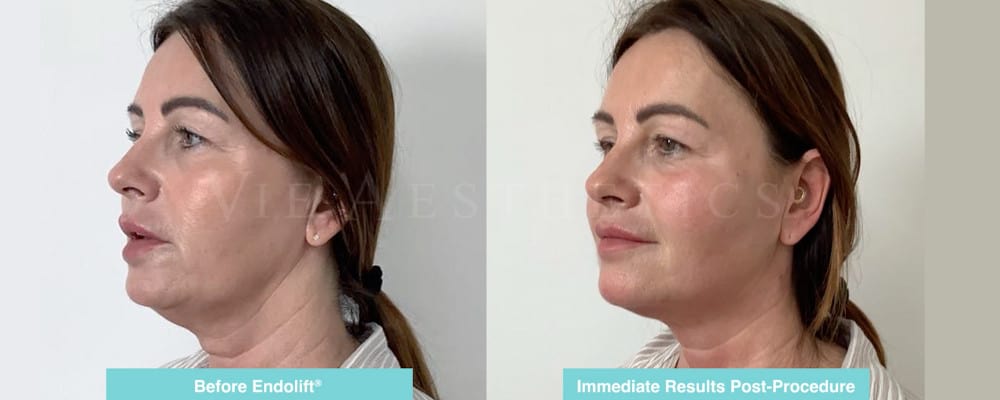
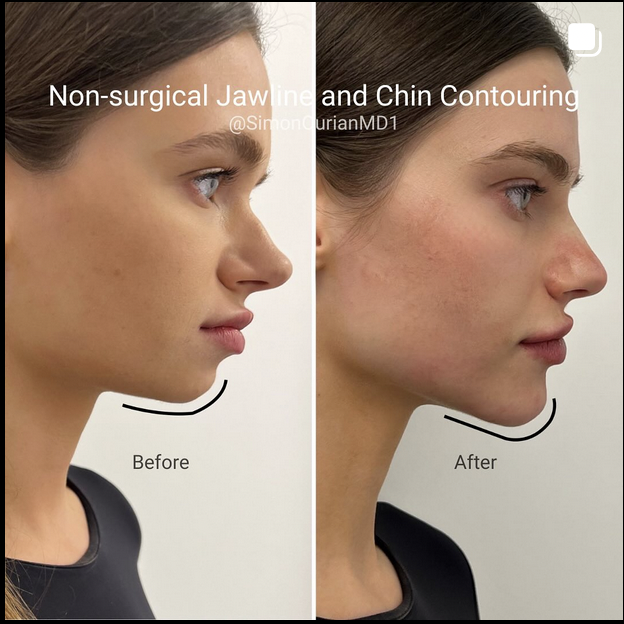

4
Modern aesthetic medicine offers several non-invasive or minimally invasive options for managing jowls.
1. Dermal Fillers
Strategically placed fillers can restore lost volume in the cheeks and jawline, indirectly lifting sagging tissue. Rather than filling the jowls themselves, practitioners often support surrounding areas to improve overall contour.
2. Skin Tightening Technologies
Energy-based treatments use heat or ultrasound to stimulate collagen production deep within the skin. Over time, this can result in firmer, tighter skin along the jawline.
3. Thread Lifts
Temporary threads inserted under the skin can provide a subtle lifting effect. Results are not permanent, but they may last longer than some non-invasive options.
4. Injectable Skin Boosters
These treatments improve skin quality by increasing hydration and elasticity, which may reduce the visibility of mild jowls.
Surgical Options for Advanced Jowls
For individuals with significant sagging, surgical solutions may offer more dramatic and long-lasting results.
Facelift Procedures
A lower facelift targets the jawline and lower face specifically. It repositions underlying tissues rather than simply tightening skin, resulting in a more natural outcome.
Neck Lift Combination
Because jowls and neck sagging often occur together, combining treatments can improve overall harmony between the jaw and neck.
Surgical options require careful consideration, professional consultation, and appropriate recovery time.
Jowls vs. Double Chin: Understanding the Difference
Although often confused, jowls and a double chin are different issues.
- Jowls involve sagging skin and tissue along the jawline
- Double chin is primarily caused by excess fat beneath the chin
Some people may experience both simultaneously, but treatments may differ depending on the underlying cause.
Psychological and Emotional Impact of Jowls
Facial changes can affect more than appearance. For some individuals, jowls may:
- Influence self-esteem
- Create a tired or unhappy look
- Affect confidence in social or professional settings
It is important to approach cosmetic concerns with self-compassion. Wanting to look refreshed or aligned with how you feel inside is a valid and personal choice.
Choosing the Right Approach for You
There is no universal solution for jowls. The best approach depends on:
- Age and skin quality
- Severity of sagging
- Budget and downtime tolerance
- Personal aesthetic goals
Consulting with a qualified professional ensures that any treatment plan is safe, realistic, and tailored to your needs.
Myths About Jowls
Myth 1: Only older people get jowls
Reality: Some people develop jowls in their 30s due to genetics or lifestyle factors.
Myth 2: Creams can completely eliminate jowls
Reality: Skincare helps, but it cannot reverse structural sagging on its own.
Myth 3: Weight loss always improves jowls
Reality: Rapid or excessive weight loss can sometimes make jowls more noticeable.
Long-Term Care After Treatment
Maintaining results requires ongoing care:
- Continued sun protection
- Healthy lifestyle habits
- Periodic maintenance treatments if chosen
- Consistent skincare routines
Longevity depends on both the treatment method and daily habits.
Frequently Asked Questions About Jowls
Are jowls permanent?
Jowls are a natural aging change, but their appearance can be improved or reduced with proper care and treatment.
Can men develop jowls?
Yes. Men and women both experience jowls, though facial structure and skin thickness may affect how they appear.
Do facial rollers help with jowls?
Facial rollers may improve circulation and temporary puffiness but do not permanently lift sagging tissue.
When should I start addressing jowls?
Preventive care can begin as early as your 20s or 30s with sun protection and good skincare.
Final Thoughts
Jowls are a common and natural part of facial aging, shaped by biology, lifestyle, and time. While they cannot always be avoided, they can be managed thoughtfully through prevention, non-surgical treatments, or surgical solutions when appropriate. The most important factor is choosing an approach that aligns with your comfort, values, and long-term well-being.
A well-defined jawline does not define beauty—but understanding your options gives you control over how you age and how you present yourself to the world.