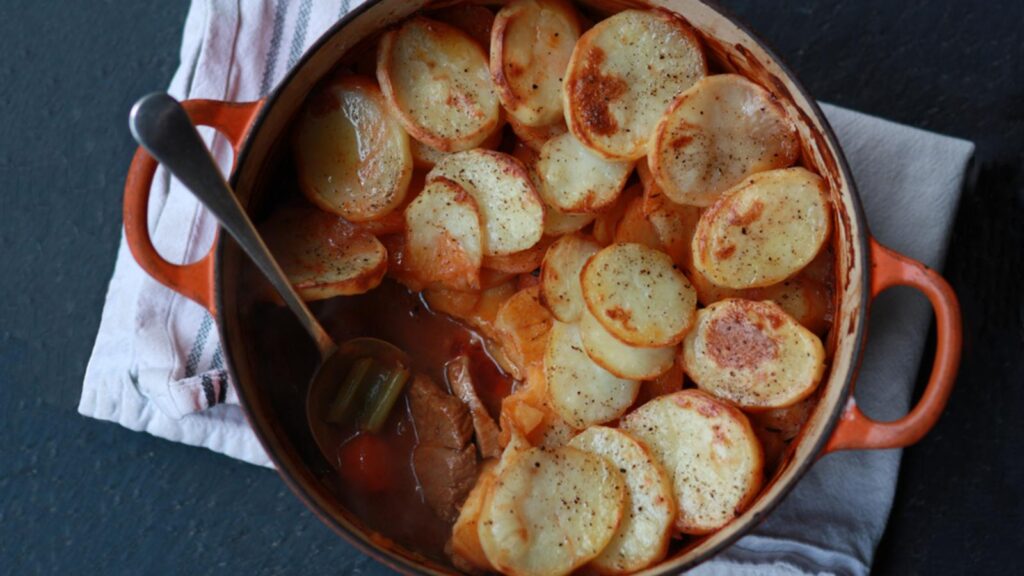

Lamb hotpot is one of those timeless dishes that feels like home the moment it begins to simmer. Rich, hearty, and deeply satisfying, this slow-cooked meal has earned its place as a comfort food staple across generations. Whether enjoyed on a cold evening or served as a centerpiece for a family gathering, lamb hotpot delivers warmth, nutrition, and unmistakable depth of flavor.
What Is Lamb Hotpot?
Lamb hotpot is a slow-cooked dish traditionally made with lamb, potatoes, onions, and a savory broth. The ingredients are layered in a pot or casserole dish and cooked gently until the lamb becomes tender and the flavors meld together beautifully.
Unlike fast meals, lamb hotpot rewards patience. The slow cooking process allows the connective tissues in the lamb to break down, creating meat that is soft, juicy, and full of character. The potatoes absorb the broth, becoming creamy inside while often forming a lightly crisped top layer.
The simplicity of lamb hotpot is part of its appeal. It relies on basic ingredients and careful cooking rather than complicated techniques or excessive seasoning.
The History and Cultural Roots of Lamb Hotpot
Lamb hotpot has deep roots in rural cooking traditions, where meals needed to be filling, affordable, and easy to prepare. Historically, it was a practical dish made by layering available ingredients and leaving them to cook slowly while other work was done.
The dish became especially popular in regions where sheep farming was common. Lamb was readily available, and potatoes provided an inexpensive way to bulk out meals. Over time, lamb hotpot evolved from a necessity into a beloved comfort dish associated with home cooking and family meals.
Today, lamb hotpot continues to be enjoyed around the world, often adapted with local herbs, vegetables, and spices while maintaining its original spirit.
Key Ingredients in a Traditional Lamb Hotpot
The beauty of lamb hotpot lies in its modest ingredient list. Each component plays an essential role in the final dish.
Lamb
The star of the dish is lamb, typically cut from the shoulder or neck. These cuts are ideal for slow cooking because they contain enough fat and connective tissue to stay moist and tender over long cooking times.
Potatoes
Potatoes are usually sliced and layered on top of the lamb. As they cook, they soak up the flavorful broth and fat, becoming rich and satisfying.
Onions
Onions form the aromatic base of lamb hotpot. They add sweetness and depth as they soften and caramelize during cooking.
Stock or Broth
A good-quality stock is essential. It provides moisture and carries flavor throughout the dish. Lamb or vegetable stock works best.
Seasonings
Salt, black pepper, and simple herbs such as thyme or bay leaf are commonly used. The goal is to enhance the natural flavor of the lamb rather than overpower it.
How Lamb Hotpot Is Cooked
Lamb hotpot is all about slow, gentle heat. Rushing the process can result in tough meat and underdeveloped flavors.
Layering the Ingredients
Traditionally, lamb hotpot is assembled in layers. Lamb and onions go at the bottom, followed by potatoes on top. This method allows the meat to cook in the broth while the potatoes steam and absorb flavor.
Slow Cooking
The dish is cooked at a low temperature for several hours. This slow process ensures that the lamb becomes fork-tender and the flavors fully develop.
Final Browning
Some cooks prefer to remove the lid near the end of cooking to allow the potatoes on top to brown slightly. This creates a contrast between the crispy surface and the soft interior.
Why Lamb Hotpot Is the Ultimate Comfort Food
Comfort food is about more than taste—it is about emotion, memory, and satisfaction. Lamb hotpot checks all of these boxes.
- Warm and filling: Ideal for cold weather or long days.
- Rich but balanced: The lamb provides depth without being overwhelming.
- Nostalgic: Often associated with home cooking and family meals.
- Simple and honest: No unnecessary ingredients or complicated steps.
A bowl of lamb hotpot feels grounding. It is the kind of meal that encourages you to slow down and enjoy the moment.
Variations of Lamb Hotpot
While the traditional version is beloved, lamb hotpot is highly adaptable. Different regions and households put their own spin on the dish.
Vegetable-Heavy Lamb Hotpot
Some versions include carrots, turnips, or parsnips for added sweetness and nutrition.
Herb-Infused Lamb Hotpot
Fresh rosemary or thyme can be added for a more aromatic profile.
Spiced Lamb Hotpot
A subtle use of spices like cumin or paprika can give the dish a slightly modern twist without losing its essence.
Creamy Lamb Hotpot
In some adaptations, a small amount of cream or milk is added to the broth for a richer texture.
Each variation keeps the heart of the dish intact while allowing for personal preference.
Nutritional Value of Lamb Hotpot
Lamb hotpot is not only comforting but also nutritionally balanced when prepared thoughtfully.
Protein
Lamb is a high-quality source of protein, supporting muscle health and overall body function.
Vitamins and Minerals
Lamb provides important nutrients such as iron, zinc, and vitamin B12, which are essential for energy and immune health.
Carbohydrates
Potatoes supply complex carbohydrates, making the dish filling and energy-rich.
Fats
The natural fat in lamb adds flavor and satiety. Trimming excess fat can help keep the dish balanced.
When paired with vegetables and cooked using moderate seasoning, lamb hotpot can be both nourishing and satisfying.
Tips for Making the Perfect Lamb Hotpot
Even a simple dish benefits from a few expert tips. These small details can elevate your lamb hotpot from good to exceptional.
Choose the Right Cut
Always opt for cuts suited to slow cooking. Lean cuts can dry out and lose flavor.
Season in Layers
Season the lamb and potatoes separately to ensure even flavor throughout the dish.
Don’t Rush the Cooking Time
Low and slow is the key. Rushing will compromise tenderness.
Let It Rest
Allow the hotpot to rest for a short time after cooking. This helps the flavors settle and improves texture.
Use a Heavy Pot
A thick, oven-safe pot or casserole dish ensures even heat distribution.
Serving Suggestions for Lamb Hotpot
Lamb hotpot is a complete meal on its own, but thoughtful accompaniments can enhance the experience.
- Crusty bread to soak up the broth
- Steamed greens such as cabbage or peas for freshness
- Pickled vegetables for contrast and acidity
Because lamb hotpot is rich, lighter side dishes often work best.
Lamb Hotpot for Family Meals and Gatherings
One of the greatest strengths of lamb hotpot is its ability to feed a crowd. It scales easily and can be prepared in advance, making it ideal for family dinners or casual gatherings.
The dish also reheats beautifully. In fact, many people believe lamb hotpot tastes even better the next day, once the flavors have had more time to develop.
Why Lamb Hotpot Remains Popular Today
In a world full of fast food and complex recipes, lamb hotpot endures because it offers something timeless. It represents slow cooking, mindful eating, and respect for simple ingredients.
Modern kitchens may use updated equipment, but the soul of lamb hotpot remains unchanged. It is still about patience, warmth, and nourishment.
Final Thoughts on Lamb Hotpot
Lamb hotpot is more than just a recipe—it is a tradition, a comfort, and a reminder of the power of slow cooking. Its rich flavors, tender meat, and satisfying texture make it a dish that never goes out of style.
Whether you are cooking for yourself, your family, or guests, lamb hotpot delivers reliability and warmth every time. With minimal ingredients and a straightforward process, it proves that great food does not need to be complicated.