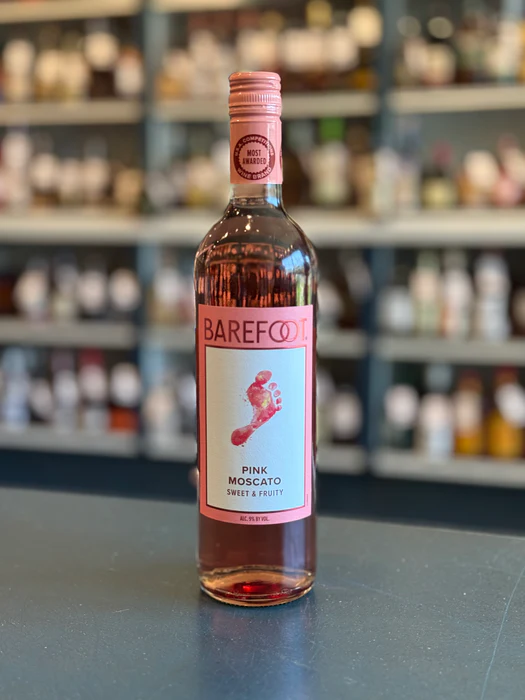

Pink Moscato has become one of the most popular wines among casual wine drinkers and beginners, yet it also holds a unique place in modern wine culture. Known for its gentle sweetness, refreshing fruit flavors, and easy-drinking style, Pink Moscato offers an approachable introduction to wine while still delivering enjoyment for seasoned enthusiasts who appreciate light, aromatic profiles.
What Is Pink Moscato?
Pink Moscato is a sweet or semi-sweet wine made primarily from the Muscat grape family, one of the oldest grape varieties in the world. While traditional Moscato is typically white, Pink Moscato gets its blush color either from limited contact with red grape skins or by blending white Moscato with a small amount of red wine.
The result is a light pink wine with vibrant aromas, low alcohol content, and a fruity taste that appeals to a wide range of palates.
Pink Moscato is not meant to be complex or heavily structured. Instead, its charm lies in its freshness, sweetness, and aromatic intensity.
The Origins of Moscato Wines
The Muscat grape has been cultivated for thousands of years and is believed to have originated in the Mediterranean region. Ancient civilizations valued Muscat grapes for their intense aroma and natural sweetness, often using them in both winemaking and table grapes.
Over time, Muscat spread across Europe, particularly in Italy, France, and Spain. Moscato wines gained popularity for their floral character and gentle sweetness. Pink Moscato emerged much later as winemakers experimented with modern styles aimed at younger and more casual wine consumers.
Today, Pink Moscato is produced in several wine-growing regions, especially in the United States, Australia, and parts of Europe.
How Pink Moscato Is Made
The production of Pink Moscato follows a relatively simple process compared to many red or aged wines.
Grape Selection
The base grape is usually Muscat Blanc à Petits Grains, known for its aromatic qualities. To achieve the pink hue, winemakers may:
- Add a small amount of red grape juice
- Allow brief skin contact with red grapes
- Blend with a light red wine such as Merlot
Fermentation
Fermentation is carefully controlled to preserve natural sugars. Many Pink Moscatos are stopped early in fermentation to keep alcohol levels low, typically between 5% and 7% ABV.
Carbonation (Optional)
Some Pink Moscato wines are slightly sparkling, adding a refreshing fizz that enhances fruit flavors.
Pink Moscato Flavor Profile
One of the main reasons Pink Moscato is so widely loved is its distinctive and expressive flavor profile.
Aromas
Pink Moscato is highly aromatic, often offering notes of:
- Fresh strawberries
- Raspberries
- Peach
- Orange blossom
- Rose petals
Taste
On the palate, you can expect:
- Sweet, juicy fruit flavors
- Low acidity
- Smooth, soft mouthfeel
- Minimal tannins
The sweetness is noticeable but not overwhelming when balanced properly. The finish is usually clean and refreshing, making it easy to enjoy multiple sips.
Is Pink Moscato Sweet or Dry?
Pink Moscato is generally sweet, though sweetness levels can vary by producer. Most bottles fall into the sweet to semi-sweet category. This makes it ideal for:
- New wine drinkers
- Dessert pairings
- Warm weather sipping
Unlike dry rosé wines, Pink Moscato focuses more on fruit-forward sweetness rather than acidity or minerality.
Pink Moscato vs Moscato vs Rosé
Many people confuse Pink Moscato with similar wines, so understanding the differences is important.
Pink Moscato vs White Moscato
- White Moscato: Pale white or golden color, sweet, floral
- Pink Moscato: Blush pink color, sweeter berry flavors
Pink Moscato vs Rosé
- Rosé: Typically dry or semi-dry, higher alcohol
- Pink Moscato: Sweet, lower alcohol, more aromatic
Pink Moscato vs Red Wine
- Much lighter body
- No heavy tannins
- Significantly lower alcohol
Pink Moscato is closer in spirit to dessert wines than to traditional table wines.
Alcohol Content and Calories
One of the appealing aspects of Pink Moscato is its low alcohol content. Most bottles contain:
- 5%–7% alcohol by volume
Because of its sweetness, Pink Moscato can be higher in sugar than dry wines, but its low alcohol helps balance overall calorie intake. On average:
- One glass contains 120–140 calories
This makes it a popular choice for social occasions where lighter drinks are preferred.
Best Food Pairings for Pink Moscato
Pink Moscato pairs exceptionally well with foods that complement its sweetness and fruitiness.
Desserts
- Fruit tarts
- Cheesecake
- Strawberry shortcake
- Vanilla ice cream
Spicy Foods
The sweetness helps cool heat from:
- Thai cuisine
- Indian curries
- Spicy Mexican dishes
Light Snacks
- Soft cheeses
- Fresh fruit platters
- Crackers and mild cheeses
Pink Moscato is not ideal for heavy, savory meals, but it shines with lighter or sweet dishes.
When to Serve Pink Moscato
Pink Moscato is incredibly versatile and suits many occasions.
Ideal Occasions
- Summer parties
- Brunch gatherings
- Picnics
- Celebrations
- Casual evenings
Serving Temperature
For the best experience, serve Pink Moscato chilled, ideally between 40°F and 45°F (4°C–7°C). Chilling enhances freshness and balances sweetness.
Glassware for Pink Moscato
Although any wine glass works, the best choice is:
- A standard white wine glass
- A tulip-shaped glass to capture aromas
Avoid oversized red wine glasses, which can mute the delicate aromas.
Who Should Drink Pink Moscato?
Pink Moscato appeals to a wide audience, including:
- Beginners exploring wine
- Casual drinkers who prefer sweetness
- People who dislike bitter or dry wines
- Those seeking low-alcohol options
While some traditional wine enthusiasts dismiss sweet wines, Pink Moscato has earned its place as a legitimate and enjoyable style.
Common Myths About Pink Moscato
“Pink Moscato Is Not Real Wine”
False. Pink Moscato is made using legitimate winemaking techniques and real grapes.
“It’s Only for Beginners”
While accessible, many experienced drinkers enjoy Pink Moscato for its lightness and refreshing nature.
“It’s Too Sweet”
Sweetness varies by brand. Some Pink Moscatos are well-balanced and not overpowering.
How to Choose a Good Pink Moscato
When shopping for Pink Moscato, consider the following tips:
- Check alcohol percentage (lower usually means sweeter)
- Look for fresh vintages
- Choose reputable producers
- Read sweetness descriptors on the label
Avoid bottles exposed to heat or direct light, as sweetness can exaggerate flaws.
Storing Pink Moscato
Pink Moscato is best enjoyed young. Unlike red wines, it does not benefit from aging.
Storage Tips
- Store in a cool, dark place
- Keep bottles upright
- Drink within 1–2 years of purchase
Once opened, refrigerate and consume within 2–3 days.
Why Pink Moscato Remains Popular
Pink Moscato’s popularity is not a trend—it reflects changing preferences in wine culture. People increasingly value:
- Approachability
- Flavor clarity
- Lower alcohol
- Enjoyment without complexity
Its bright color, fruity taste, and easy-drinking style make it a staple for modern wine lovers.
Final Thoughts
Pink Moscato is more than just a sweet pink wine—it’s an invitation into the world of wine without intimidation. With its aromatic charm, low alcohol content, and versatile food pairing potential, it continues to win hearts across generations.