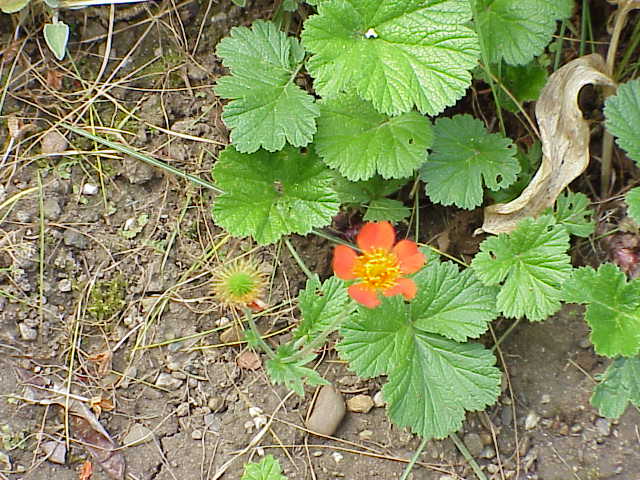

The Geum plant is one of those quiet garden treasures that often goes unnoticed, yet once discovered, it becomes impossible to ignore. Valued for its long-lasting blooms, delicate foliage, and remarkable adaptability, Geum has earned its place in gardens, landscapes, and even traditional herbal practices across the world. Whether you are a gardener searching for a reliable perennial or a nature enthusiast curious about ornamental plants, Geum offers both beauty and substance.
What Is the Geum Plant?
Geum is a perennial flowering plant belonging to the rose family. It is known for its cheerful, cup-shaped flowers that bloom in shades of yellow, orange, red, and sometimes soft pink. The plant is especially admired for its long flowering season, often lasting from late spring well into summer.
Geum plants typically form low-growing clumps of textured green foliage, with slender stems rising above the leaves to support the flowers. This growth habit makes them ideal for borders, cottage gardens, rock gardens, and naturalistic landscapes.
Origin and Natural Habitat
Geum plants are native to temperate regions of the Northern Hemisphere, including parts of Europe, Asia, North America, and South America. In the wild, they are commonly found in:
- Meadows
- Woodland edges
- Grasslands
- Mountain slopes
- Moist riverbanks
Their ability to thrive in diverse environments explains why Geum adapts so well to cultivated gardens. Over time, gardeners and plant breeders have developed numerous hybrids that enhance flower color, bloom duration, and disease resistance.
Botanical Characteristics of Geum
Understanding the physical traits of the Geum plant helps gardeners appreciate its versatility and charm.
Leaves
Geum leaves are usually deep green and slightly hairy, forming a basal rosette close to the ground. The leaf shape can vary from lobed to toothed, adding texture even when the plant is not in bloom.
Flowers
The flowers are the highlight of the Geum plant. They typically feature:
- Five rounded petals
- A central cluster of stamens
- Bright, warm colors
Some modern varieties have semi-double or double flowers, giving them a fuller appearance.
Height and Spread
Most Geum plants grow between 12 to 24 inches tall, with a similar spread. This moderate size makes them suitable for both small and large garden spaces.
Blooming Season
Geum is prized for its extended blooming period, often flowering for several weeks or even months when properly cared for.
Popular Varieties of Geum
One of the reasons Geum remains popular among gardeners is the wide selection of varieties available. Each offers unique colors and growth habits.
Geum chiloense
This variety is known for its vivid red flowers and vigorous growth. It is often used as a parent plant for many modern hybrids.
Geum rivale
Sometimes called water avens, this type produces nodding, bell-shaped flowers in muted tones. It thrives in slightly damp conditions and adds a natural woodland feel to gardens.
Hybrid Geum
Hybrid varieties combine the best traits of different species, offering:
- Brighter colors
- Stronger stems
- Longer flowering times
These hybrids are especially popular in ornamental gardening.
Why Gardeners Love the Geum Plant
The Geum plant has gained a loyal following for several practical and aesthetic reasons.
Long-Lasting Color
Unlike many perennials that bloom briefly, Geum provides color for an extended period, reducing the need for constant replanting.
Low Maintenance
Once established, Geum requires minimal care, making it ideal for both beginner and experienced gardeners.
Pollinator-Friendly
Bees and butterflies are naturally attracted to Geum flowers, helping support local ecosystems.
Versatile Design Use
Geum blends effortlessly into various garden styles, including:
- Cottage gardens
- Modern landscapes
- Natural meadows
- Woodland settings
How to Grow Geum Successfully
Growing Geum is relatively straightforward, but proper conditions will ensure healthier plants and better blooms.
Soil Requirements
Geum prefers well-draining soil rich in organic matter. While it tolerates a range of soil types, overly wet or compacted soil can cause root issues.
Light Conditions
Most Geum varieties thrive in:
- Full sun for maximum flowering
- Partial shade in hotter climates
Too much shade may result in fewer flowers.
Watering Needs
Geum plants enjoy consistent moisture, especially during their growing and blooming phases. However, they do not tolerate waterlogged soil.
Temperature and Climate
Geum is hardy in temperate climates and can withstand cold winters. In extremely hot regions, providing afternoon shade helps prevent stress.
Geum Plant Care and Maintenance
Maintaining Geum plants is simple, but a few routine practices can extend their lifespan and beauty.
Deadheading
Removing spent flowers encourages continuous blooming and keeps the plant looking tidy.
Dividing Plants
Geum plants benefit from division every few years. This prevents overcrowding and rejuvenates older clumps.
Fertilizing
A balanced, slow-release fertilizer applied in spring supports healthy growth and flowering.
Winter Care
In colder regions, Geum foliage may die back in winter. Cutting back dead growth helps protect the plant and encourages fresh spring growth.
Common Problems and Solutions
Although Geum is relatively resistant to pests and diseases, a few issues may arise.
Short Lifespan
Some Geum varieties are naturally short-lived. Regular division helps extend their presence in the garden.
Poor Flowering
Insufficient sunlight or nutrient-poor soil can reduce bloom production.
Root Rot
This usually occurs in poorly drained soil. Improving drainage is the best preventive measure.
Geum in Traditional and Cultural Use
Beyond ornamental gardening, Geum has a history of traditional herbal use in some cultures. The roots were historically used in natural remedies, often valued for their aromatic properties. While modern use is primarily decorative, this historical background adds depth to the plant’s significance.
Landscaping Ideas Using Geum
Geum works beautifully in combination with other perennials. Consider pairing it with plants that complement its color and texture.
- Combine with ornamental grasses for contrast
- Use alongside spring bulbs for seasonal layering
- Plant in borders to create a continuous wave of color
Because of its moderate size, Geum is also suitable for container gardening when given adequate space and drainage.
Propagation Methods
Gardeners can propagate Geum using several techniques.
Division
The most reliable method, division involves splitting mature plants and replanting them.
Seeds
Growing Geum from seed is possible, but hybrids may not grow true to type.
Environmental Benefits of Geum
Geum contributes positively to garden ecosystems by:
- Supporting pollinators
- Enhancing biodiversity
- Requiring fewer chemical treatments
Its resilience and adaptability make it a sustainable choice for eco-conscious gardeners.
Final Thoughts: Why Geum Deserves a Place in Your Garden
The Geum plant combines beauty, durability, and versatility in a way few perennials can match. Its vibrant flowers, long bloom time, and low-maintenance nature make it a standout choice for gardeners seeking reliable performance without excessive effort.
Whether planted in a formal border or a wildflower-inspired garden, Geum brings warmth, movement, and life to any outdoor space. With proper care and thoughtful placement, this remarkable plant will reward gardeners year after year.