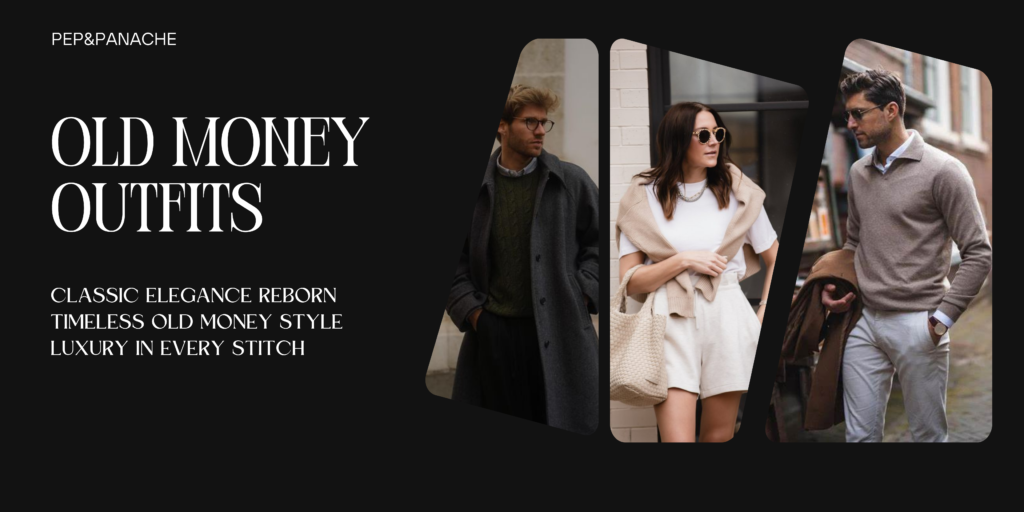

In a world dominated by fast fashion, bold logos, and trend-driven aesthetics, old money outfits stand as a quiet rebellion. They are not loud, flashy, or attention-seeking. Instead, they reflect refinement, tradition, and effortless elegance. Old money style is not about proving wealth—it’s about inheriting taste.
This fashion approach has gained massive popularity in recent years, not because it is new, but because people are craving authenticity, quality, and timelessness. Old money outfits are rooted in heritage, understated luxury, and classic silhouettes that transcend generations.
What Does “Old Money Style” Really Mean?
Old money style originates from families who have held wealth for generations. Unlike “new money,” which often displays luxury through visible branding and trend adoption, old money fashion is subtle and conservative.
Key characteristics include:
- Understated elegance
- High-quality materials
- Classic tailoring
- Neutral and muted colors
- Minimal branding or logos
Old money outfits are not designed to impress strangers. They are designed to feel natural, comfortable, and refined—like you’ve always dressed this way.
Why Old Money Outfits Are Trending Today
The renewed interest in old money fashion is not accidental. Several cultural shifts are fueling its rise:
- Fatigue with Fast Fashion
People are tired of disposable clothing and are returning to investment pieces that last. - Desire for Timeless Identity
Old money outfits offer a sense of stability and confidence in a constantly changing world. - Minimalism and Quiet Luxury
The quiet luxury movement aligns perfectly with old money aesthetics—luxury without loudness. - Social Media Influence
Platforms have popularized “old money aesthetic” visuals, encouraging people to adopt refined looks.
Core Principles of Old Money Outfits
Before diving into specific clothing items, it’s important to understand the foundation of this style.
1. Quality Over Quantity
Old money wardrobes are small but powerful. Every piece is well-made, tailored, and durable.
2. Fit Is Everything
Even the most expensive clothing looks cheap if it doesn’t fit properly. Tailoring is essential.
3. Timeless Over Trendy
If it won’t look good in 10 years, it doesn’t belong in an old money wardrobe.
4. Subtlety Is Key
No flashy logos, oversized graphics, or experimental silhouettes.
Old Money Outfits for Men
Old money men’s fashion is clean, structured, and masculine without being aggressive.
Essential Old Money Clothing for Men
1. Blazers and Sport Coats
A well-fitted blazer is a cornerstone of old money outfits.
- Navy
- Charcoal
- Tweed
- Herringbone
These can be worn casually or formally depending on the occasion.
2. Dress Shirts
Stick to classic colors:
- White
- Light blue
- Soft stripes
Oxford cloth button-downs are particularly iconic.
3. Knitwear
Cashmere and merino wool sweaters add depth and sophistication.
- V-neck
- Crew neck
- Cable knit
Layer them over collared shirts for a traditional look.
4. Trousers
Choose tailored trousers over slim or skinny fits.
- Wool trousers
- Chinos in beige, navy, or olive
Avoid overly tight or distressed styles.
5. Footwear
Shoes should be polished, classic, and functional.
- Loafers
- Oxfords
- Brogues
- Suede driving shoes
Sneakers are acceptable only if they are clean, minimal, and neutral.
Old Money Outfits for Women
Old money fashion for women is elegant, graceful, and effortlessly feminine.
Essential Old Money Clothing for Women
1. Tailored Dresses
Silhouettes should be structured but not restrictive.
- Midi dresses
- Wrap dresses
- A-line cuts
Stick to neutral or muted tones.
2. Blouses and Shirts
Silk, cotton, or linen blouses in classic shades are staples.
- Ivory
- Beige
- Soft pastels
Avoid excessive ruffles or embellishments.
3. Knitwear and Cardigans
Cashmere cardigans and sweaters add warmth and class.
- Neutral colors
- Simple patterns
- Lightweight layering
4. Skirts and Trousers
High-waisted trousers and midi skirts are ideal.
- Pleated skirts
- Wool trousers
- Tailored pants
They create a refined silhouette without being trendy.
5. Footwear
Footwear should be comfortable yet polished.
- Ballet flats
- Low heels
- Loafers
- Leather boots
High heels are acceptable but should remain understated.
Old Money Color Palette
Color plays a crucial role in old money outfits. Loud colors are replaced with muted, earthy tones.
Common Old Money Colors:
- Navy
- Beige
- Camel
- Cream
- White
- Olive
- Gray
- Brown
- Burgundy
Patterns are subtle:
- Pinstripes
- Plaid
- Houndstooth
- Checks
The goal is harmony, not contrast.
Fabrics That Define Old Money Style
Fabric choice separates true old money outfits from imitations.
Preferred Materials:
- Wool
- Cashmere
- Linen
- Silk
- Cotton
- Tweed
Avoid synthetic materials whenever possible. Natural fibers age better, feel better, and look more refined.
Old Money Outfits by Season
Spring
- Lightweight blazers
- Linen shirts
- Neutral chinos
- Loafers
Summer
- Breathable fabrics
- Short-sleeve polos (no logos)
- Linen trousers
- Minimal sandals or loafers
Autumn
- Tweed jackets
- Knitwear layering
- Wool trousers
- Leather shoes
Winter
- Cashmere coats
- Wool overcoats
- Scarves in muted tones
- Leather gloves
Seasonal dressing should remain consistent with the core principles of old money style.
Accessories in Old Money Outfits
Accessories should enhance, not dominate.
Acceptable Accessories:
- Leather belts
- Classic watches
- Silk scarves
- Structured handbags
- Simple jewelry
Avoid oversized logos, flashy metals, or trend-based accessories.
Grooming and Presentation
Old money outfits are incomplete without proper grooming.
- Clean haircuts
- Natural makeup
- Well-maintained nails
- Polished shoes
Looking put-together is part of the aesthetic.
Common Mistakes to Avoid
- Trying Too Hard
Old money style should look effortless, not costume-like. - Overusing Logos
Branding defeats the purpose of understated elegance. - Ignoring Fit
Poor tailoring ruins even high-quality clothing. - Chasing Trends
Trends fade; old money style remains.
Can Anyone Wear Old Money Outfits?
Absolutely. Old money fashion is not about actual wealth—it’s about mindset, taste, and restraint. You don’t need a massive budget to adopt this style. You need patience, intentional shopping, and an appreciation for classic design.
Building an old money wardrobe takes time. It’s a gradual process of replacing disposable pieces with timeless essentials.
Final Thoughts: Why Old Money Style Endures
Old money outfits represent more than fashion—they reflect values. Discipline, tradition, quality, and self-assurance are woven into every garment. In a world obsessed with novelty, old money style reminds us that elegance doesn’t need validation.
If you want a wardrobe that looks refined today, tomorrow, and decades from now, old money outfits are not just a trend—they are a lifelong investment.