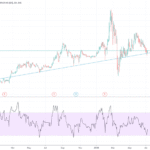
The world of cryptocurrency has expanded rapidly over the past decade, and Ethereum (ETH) has emerged as one of the most influential digital currencies in the global market. For traders, investors, and enthusiasts in the United Kingdom, understanding the exchange rate between Ethereum and the British Pound (GBP) is crucial for effective financial decision-making. This guide provides a comprehensive look at ETH to GBP conversion, trading strategies, historical trends, and insights for maximizing profits while minimizing risks.
Understanding ETH and Its Significance
Ethereum is not just a cryptocurrency; it is a decentralized platform that enables smart contracts and decentralized applications (dApps). Unlike Bitcoin, which is primarily a digital currency, Ethereum’s blockchain allows developers to create programmable contracts that execute automatically when predefined conditions are met.
The Ethereum network runs on Ether (ETH), its native cryptocurrency, which serves multiple purposes:
- Transaction fees – ETH is used to pay for operations on the Ethereum network.
- Investment asset – Many investors purchase ETH as a long-term store of value or for trading purposes.
- Participation in DeFi – Decentralized Finance (DeFi) platforms rely heavily on ETH for lending, borrowing, and staking activities.
For UK residents, converting ETH into GBP is a common activity, whether for realizing gains, paying for services, or reinvesting into other assets.
How to Convert ETH to GBP
Converting ETH to GBP involves several methods, each catering to different user preferences and risk appetites.
1. Cryptocurrency Exchanges
Cryptocurrency exchanges are the most popular platforms for ETH to GBP conversion. Some widely used exchanges in the UK include Binance, Kraken, and Coinbase. On these platforms, users can sell their ETH directly for GBP and withdraw funds to their bank accounts.
Key steps include:
- Creating a verified account on the exchange.
- Depositing ETH into your exchange wallet.
- Selecting the ETH/GBP trading pair.
- Executing a sell order at the current market price or setting a limit order for a preferred price.
- Withdrawing GBP to your linked UK bank account.
Exchanges often charge fees, usually ranging from 0.1% to 0.5% per transaction. Being aware of these charges is essential for planning profits accurately.
2. Peer-to-Peer (P2P) Platforms
P2P platforms allow individuals to trade ETH directly with each other. This method can sometimes offer better rates than centralized exchanges but requires caution to avoid scams. Platforms like LocalCryptos enable secure transactions, offering a wide array of payment methods including bank transfers, PayPal, or even cash.
3. Crypto ATMs
Crypto ATMs in major UK cities offer a convenient, albeit less common, method for ETH to GBP conversion. Users can sell ETH directly at the ATM, receiving GBP cash in return. The main drawback is higher fees compared to online exchanges, often between 5% to 10% of the transaction.
Factors Affecting ETH to GBP Rates
The ETH to GBP exchange rate is influenced by multiple factors. Understanding these can help traders make informed decisions.
1. Market Demand and Supply
Like any asset, the price of ETH is determined by demand and supply dynamics. High demand from investors, traders, and institutions generally pushes the price up, while increased selling pressure leads to a decline.
2. Cryptocurrency Market Trends
Ethereum often moves in correlation with the broader cryptocurrency market, particularly Bitcoin. Market sentiment, news, and regulatory developments can affect both cryptocurrencies simultaneously, impacting the ETH to GBP conversion rate.
3. Economic Factors in the UK
GBP value can fluctuate due to macroeconomic factors such as inflation rates, monetary policy changes by the Bank of England, and geopolitical developments. When GBP strengthens against major currencies, ETH may appear cheaper in GBP terms, and vice versa.
4. Technological Developments in Ethereum
Updates to the Ethereum network, like the transition from Proof-of-Work to Proof-of-Stake (Ethereum 2.0), can influence investor confidence and ETH’s market price. Such upgrades aim to improve scalability, reduce energy consumption, and enhance security, all of which are factors that can positively affect its value.
Historical Trends of ETH to GBP
Examining historical ETH to GBP trends offers insights into price patterns and potential future movements.
- 2016–2017: Ethereum started gaining attention, with ETH prices in GBP remaining relatively low but steadily increasing. The rise of ICOs (Initial Coin Offerings) significantly boosted demand.
- 2018: ETH reached an all-time high near £800 but faced a sharp correction due to market-wide cryptocurrency downturns.
- 2019–2020: ETH prices remained volatile but recovered gradually, aided by the growing DeFi sector.
- 2021: Ethereum surged to over £2,800, reflecting mainstream adoption, NFT growth, and increased institutional interest.
- 2022–2023: ETH experienced high volatility, with prices reacting to global economic conditions, regulatory news, and technological upgrades.
Understanding these trends helps investors identify potential entry and exit points for ETH to GBP trading.
Strategies for Trading ETH to GBP
Trading ETH to GBP successfully requires a combination of market knowledge, technical analysis, and disciplined risk management.
1. Buy and Hold Strategy
This long-term strategy involves purchasing ETH and holding it in anticipation of future price appreciation. Investors benefit from potential gains while avoiding frequent trading fees.
2. Swing Trading
Swing traders capitalize on short- to medium-term price movements. Using technical indicators like moving averages, RSI (Relative Strength Index), and MACD (Moving Average Convergence Divergence), traders attempt to buy low and sell high within days or weeks.
3. Arbitrage Opportunities
Arbitrage involves taking advantage of price differences for ETH between different exchanges. For example, if ETH is trading at £1,500 on one exchange and £1,520 on another, a trader can profit from buying low and selling high. Arbitrage requires speed and careful monitoring of transaction fees to ensure profitability.
4. Hedging Against GBP Fluctuations
Traders concerned about GBP volatility can use stablecoins pegged to GBP or employ derivative instruments to hedge their exposure. Hedging allows for risk reduction in uncertain market conditions.
Risks Involved in ETH to GBP Conversion
While trading ETH to GBP can be profitable, it is not without risks.
- Price Volatility: ETH is known for its significant price swings, which can lead to substantial gains or losses.
- Regulatory Risks: Cryptocurrency regulations in the UK may change, impacting taxation, trading rules, and market accessibility.
- Security Concerns: Storing ETH on exchanges or digital wallets carries the risk of hacks and theft. Using hardware wallets or secure platforms can mitigate these risks.
- Liquidity Risks: During periods of high volatility, finding buyers or sellers at desired prices can be challenging.
Understanding and preparing for these risks is essential for anyone involved in ETH to GBP trading.
Future Outlook for ETH to GBP
The future of ETH to GBP trading depends on several interlinked factors:
- Adoption of Ethereum 2.0: As Ethereum transitions fully to Proof-of-Stake, the network becomes more energy-efficient, potentially boosting investor confidence and value.
- Growth of DeFi and NFTs: Expanding use cases for ETH in decentralized finance and non-fungible tokens can increase demand and trading volume.
- UK Cryptocurrency Regulation: Clearer regulations may attract institutional investment, further stabilizing and potentially increasing ETH’s value against GBP.
- Global Economic Conditions: Inflation rates, interest rate changes, and macroeconomic trends in the UK will continue to affect GBP’s strength, indirectly influencing ETH to GBP rates.
Overall, while ETH remains volatile, its long-term growth potential makes it an attractive option for both traders and investors looking to diversify their portfolios.
Conclusion
Trading Ethereum for British Pounds is more than a simple conversion; it requires understanding the market dynamics, historical trends, technological developments, and regulatory landscape. By using secure platforms, monitoring ETH to GBP rates, and applying strategic trading techniques, investors in the UK can maximize profits while mitigating risks.
Whether you are a seasoned trader or a beginner exploring cryptocurrencies, staying informed and disciplined is key. The ETH to GBP journey is a blend of opportunity, risk, and technological innovation—one that continues to reshape the financial landscape in the UK and worldwide.