

Introduction to BizOp
The term BizOp, short for Business Opportunity, has become increasingly popular in the world of entrepreneurship and online income generation. A bizop represents a chance for individuals to start or grow a business, often with an existing framework, product, or system already in place. Unlike traditional startups that require building everything from scratch, bizops usually offer a faster entry point into business ownership.
In today’s digital economy, bizops are everywhere—from online marketing systems and e-commerce models to service-based opportunities and passive income frameworks. However, while bizops can be powerful tools for financial growth, they also require knowledge, discipline, and strategic thinking to succeed.
What Is a BizOp?
A bizop is a business arrangement where an individual purchases or joins an opportunity that allows them to sell products, services, or systems—often using a pre-existing business model. The opportunity provider typically supplies training, tools, branding, or operational guidance.
Bizops differ from traditional businesses in several key ways:
- They often have lower startup costs
- They provide pre-built systems
- They may include mentorship or training
- They are frequently designed for scalability
Bizops can exist both online and offline, but the internet has dramatically expanded their reach and accessibility.
BizOp vs Traditional Business
Understanding the difference between a bizop and a traditional business is critical before getting started.
Traditional Business
- Requires building a brand from zero
- Higher upfront investment
- Longer setup time
- Full responsibility for systems and operations
BizOp
- Pre-structured business model
- Lower initial cost
- Faster launch timeline
- Often includes support or automation
This does not mean bizops are “easy money.” Success still depends on effort, skills, and smart decision-making.
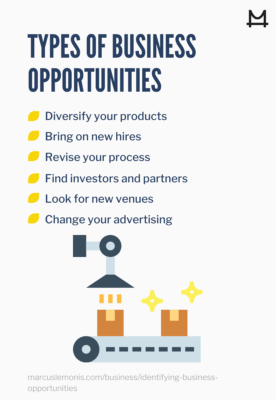
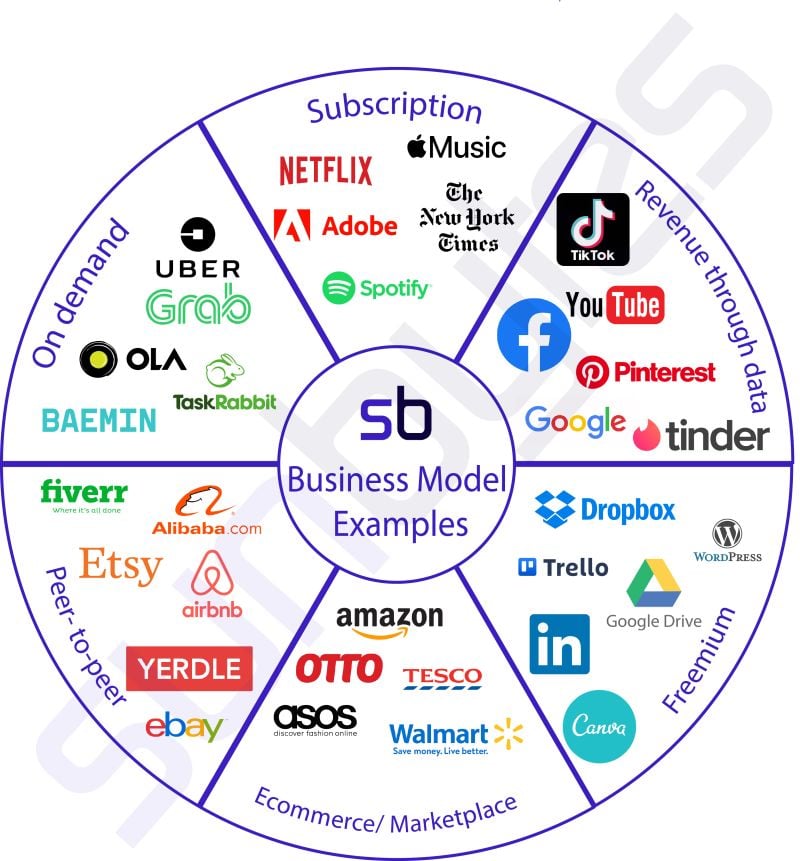

Types of BizOp Opportunities
Bizops come in many forms. Below are the most common and legitimate categories.
1. Online BizOps
Online bizops are among the fastest-growing segments due to low overhead and global reach.
Examples include:
- Affiliate marketing systems
- Digital product reselling
- Online coaching frameworks
- Software or SaaS reselling
These opportunities often rely on digital marketing, content creation, and automation.
2. Franchise-Style BizOps
While not full franchises, these bizops operate similarly by offering:
- Brand recognition
- Operational guidelines
- Proven sales systems
Examples include service businesses like cleaning, tutoring, or consulting models.
3. Service-Based BizOps
Service bizops focus on delivering skills rather than physical products.
Common service bizops:
- Social media management
- Virtual assistant services
- Lead generation services
- Business consulting
These are ideal for individuals with professional or technical skills.
4. Product-Based BizOps
These involve selling physical or digital products using an established supply chain.
Examples:
- E-commerce dropshipping systems
- Print-on-demand models
- Health or lifestyle product distribution
5. Passive or Semi-Passive BizOps
Some bizops are marketed as passive income opportunities. In reality, most are semi-passive, requiring upfront work before automation.
Examples:
- Subscription platforms
- Content monetization systems
- Licensing models
Why BizOps Are Popular Today
The rise of bizops is closely tied to modern lifestyle changes.
1. Low Barrier to Entry
Many bizops require minimal capital compared to traditional businesses.
2. Flexibility
Bizops often allow remote work and flexible schedules.
3. Speed to Market
With systems already built, users can start faster.
4. Skill Leverage
Individuals can monetize existing skills without building infrastructure.
5. Economic Shifts
Job uncertainty has pushed people to seek alternative income sources.
The Real Benefits of BizOp Models
When chosen carefully, bizops can offer significant advantages.
Proven Systems
You are not guessing—someone has tested the model before you.
Training and Support
Many bizops include onboarding, tutorials, and mentorship.
Scalability
Well-designed bizops can grow without proportional increases in workload.
Reduced Risk (Compared to Startups)
While no business is risk-free, bizops reduce uncertainty.
Common Misconceptions About BizOps
Despite their benefits, bizops are often misunderstood.
“BizOps Are Get-Rich-Quick Schemes”
False. Legitimate bizops require time, effort, and learning.
“All BizOps Are Scams”
Also false. Scams exist, but many bizops are ethical and legal.
“No Skills Required”
Every bizop requires at least basic skills such as communication, marketing, or management.
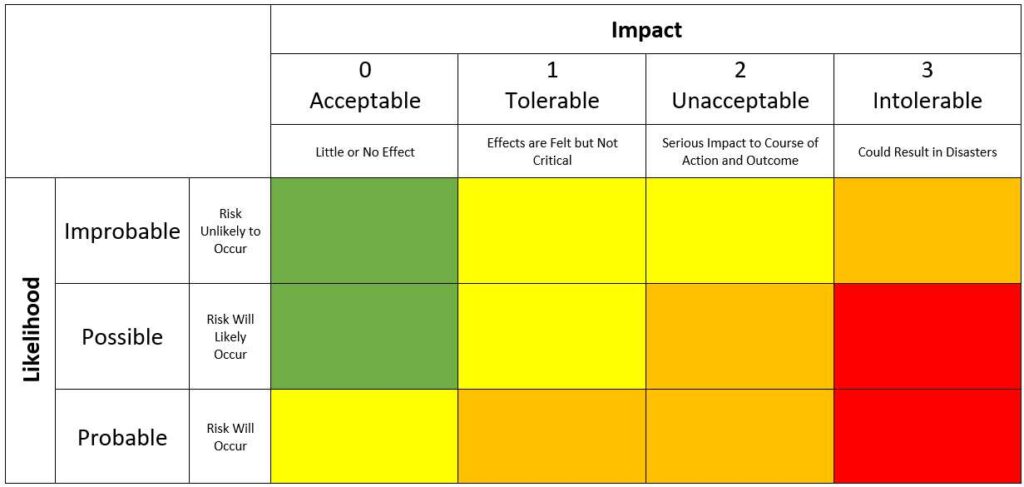


Risks and Challenges in BizOp Opportunities
Understanding risks is just as important as recognizing benefits.
1. Low-Quality Opportunities
Some bizops are poorly designed or oversold.
2. Overhyped Marketing
Unrealistic income claims are a red flag.
3. Lack of Control
You may depend on the provider’s systems and policies.
4. Market Saturation
Some bizops attract too many participants too quickly.
5. Skill Mismatch
Not all bizops suit all personalities or skill sets.
How to Evaluate a BizOp Before Joining
A smart evaluation process can save time and money.
Step 1: Understand the Business Model
Ask:
- How does money flow?
- Who is the customer?
- What problem is solved?
Step 2: Analyze the Costs
Look beyond the entry fee:
- Monthly tools?
- Marketing costs?
- Upsells?
Step 3: Review Training and Support
Quality bizops invest in education, not hype.
Step 4: Check Realistic Earnings
Focus on average results, not top performers.
Step 5: Assess Your Fit
Consider:
- Your skills
- Available time
- Long-term goals
Skills Needed to Succeed in BizOp Ventures
Even with a ready-made system, success depends on personal development.
Key skills include:
- Communication
- Basic marketing
- Time management
- Problem-solving
- Consistency
The best bizop participants treat the opportunity like a real business—not a lottery ticket.
BizOp and Digital Marketing
Digital marketing plays a central role in modern bizops.
Common channels include:
- Search engine optimization (SEO)
- Social media marketing
- Email marketing
- Paid advertising
- Content creation
Understanding at least one traffic source significantly improves success rates.
Legal and Ethical Considerations
A legitimate bizop should:
- Be transparent about earnings
- Avoid false promises
- Clearly define products or services
- Comply with consumer protection laws
Ethical bizops focus on value creation, not exploitation.
The Future of BizOp Opportunities
Bizops will continue to evolve alongside technology.
Emerging Trends
- AI-powered business systems
- Automation-first models
- Subscription-based income
- Skill-focused micro-businesses
Increased Regulation
Governments are paying more attention to online business claims, improving consumer protection.
Higher Consumer Awareness
Buyers are more educated, pushing bizops to improve quality.
Is BizOp Right for You?
Bizops are not for everyone—but they can be powerful tools for the right individuals.
Bizops are ideal for:
- Self-motivated learners
- People seeking flexible income
- Skill-driven professionals
- Aspiring entrepreneurs
They are not ideal for:
- Those expecting instant results
- People unwilling to learn
- Individuals avoiding responsibility
Final Thoughts on BizOp
A bizop is neither magic nor a scam by default—it is simply a business opportunity. Like any business, success depends on research, effort, ethics, and persistence.
When approached with realistic expectations and a strategic mindset, bizops can serve as an effective bridge between traditional employment and full entrepreneurship. The key is choosing wisely, learning continuously, and treating the opportunity with professionalism.
If you view a bizop as a long-term business journey rather than a shortcut, you position yourself for sustainable success.