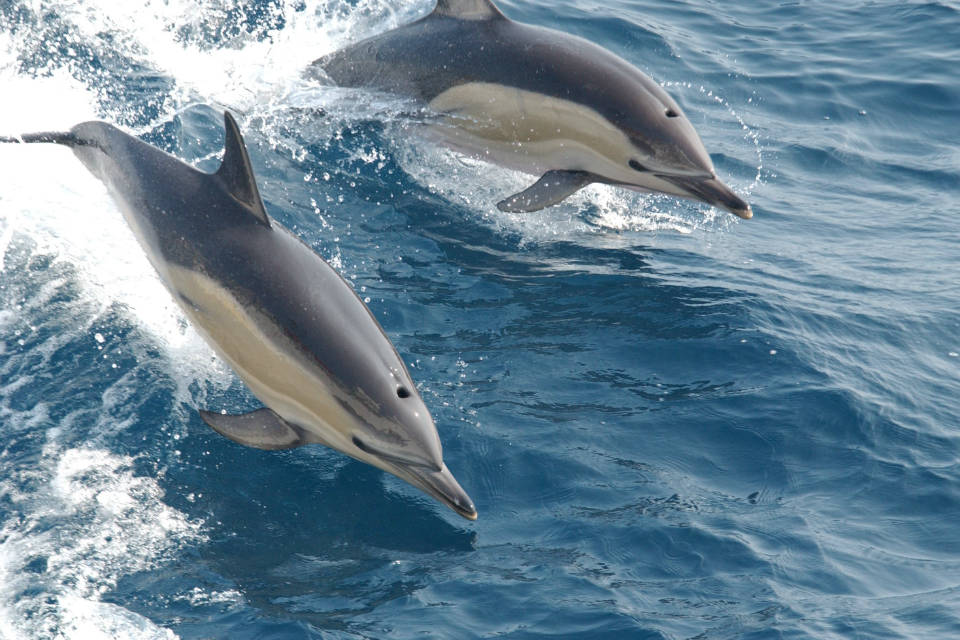

Introduction to the Blue Dolphin
The blue dolphin is a term that instantly sparks curiosity, wonder, and admiration. While “blue dolphin” is not a formally recognized scientific species, it is a widely used descriptive name that refers to dolphins that appear blue or bluish-gray when seen gliding through deep ocean waters. This coloration effect, combined with their intelligence, agility, and playful behavior, has made the blue dolphin a powerful symbol of marine beauty and freedom.
What Is a Blue Dolphin?
The term blue dolphin generally describes dolphins whose skin reflects shades of blue due to:
- Natural bluish-gray pigmentation
- Light refraction in deep or clear ocean water
- Sunlight filtering through different depths
- Smooth, reflective skin texture
Many well-known dolphin species can appear blue underwater, especially in open seas. When viewed from above or below, their bodies blend seamlessly with the surrounding water, creating a striking blue illusion.
Rather than representing a single species, “blue dolphin” is best understood as a visual and cultural description of dolphins seen in their most breathtaking environment—the blue ocean.
Physical Appearance of Blue Dolphins
Coloration and Skin Texture
Dolphins associated with the blue dolphin description often display:
- Bluish-gray to slate-blue backs
- Lighter bellies, usually pale gray or white
- Smooth, rubber-like skin that reflects light
- Streamlined bodies designed for speed
This coloration is not only beautiful but also functional. It provides countershading, a natural camouflage technique that protects dolphins from predators by blending with the ocean surface when seen from below and with darker depths when seen from above.
Size and Body Structure
Most dolphins that appear blue range between:
- Length: 2 to 4 meters
- Weight: 150 to 650 kilograms
Their curved dorsal fins, elongated beaks (in many species), and powerful tails make them some of the most efficient swimmers in the marine world.
Natural Habitat and Distribution
Where Blue Dolphins Are Found
Blue dolphins are commonly observed in:
- Tropical oceans
- Subtropical seas
- Temperate marine zones
- Offshore deep-water environments
They thrive in areas with clean, open water where light penetration enhances their blue appearance.
Preferred Ocean Conditions
Blue dolphins favor environments that offer:
- Abundant fish and squid
- Moderate to warm water temperatures
- Strong currents that support marine life
- Minimal pollution and human disturbance
They are frequently seen riding waves near boats, swimming alongside ships, or leaping gracefully above the water’s surface.
Behavior and Social Life
Highly Social Creatures
One of the most fascinating aspects of blue dolphins is their social behavior. Dolphins are rarely solitary and usually live in groups called pods, which may contain:
- Family members
- Long-term companions
- Cooperative hunting partners
Pods can range from a few individuals to hundreds, depending on food availability and environmental conditions.
Playfulness and Acrobatics
Blue dolphins are famous for their playful nature. Common behaviors include:
- Jumping and spinning out of the water
- Surfing ocean waves
- Chasing fish in coordinated groups
- Interacting with floating objects
This playful behavior is not just for fun—it helps strengthen social bonds and develop survival skills.
Intelligence and Communication
Remarkable Cognitive Abilities
Dolphins are considered among the most intelligent animals on Earth. Blue dolphins demonstrate intelligence through:
- Problem-solving skills
- Self-awareness
- Learning through observation
- Long-term memory
They can recognize themselves in mirrors and understand complex commands, a rare trait in the animal kingdom.
Advanced Communication System
Blue dolphins communicate using:
- Clicks
- Whistles
- Body movements
- Tail slaps
Each dolphin has a unique “signature whistle” that functions like a name, allowing others to identify and call them even over long distances.
Diet and Hunting Techniques
What Do Blue Dolphins Eat?
Their diet mainly consists of:
- Small schooling fish
- Squid
- Crustaceans
The exact diet depends on the region and species involved.
Cooperative Hunting
One of the most impressive traits of blue dolphins is team hunting. They work together to:
- Herd fish into tight groups
- Take turns feeding
- Use bubbles or sounds to confuse prey
This cooperative strategy increases success rates and highlights their advanced social intelligence.
Cultural and Symbolic Meaning
Blue Dolphins in Human Culture
Across cultures, blue dolphins symbolize:
- Freedom and joy
- Protection and guidance
- Intelligence and harmony
- Spiritual connection to the sea
Ancient sailors often believed dolphins guided lost ships and protected humans from danger.
Modern Influence
Today, blue dolphins appear in:
- Art and tattoos
- Logos and branding
- Children’s stories and films
- Marine conservation campaigns
They are widely viewed as ambassadors of the ocean, inspiring people to care about marine ecosystems.
Threats Facing Blue Dolphins
Despite their adaptability, blue dolphins face serious challenges due to human activity.
Major Threats Include:
- Ocean pollution (plastic, chemicals, oil spills)
- Climate change and warming seas
- Overfishing reducing food supply
- Noise pollution from ships and sonar
- Accidental capture in fishing nets
These threats not only harm dolphins directly but also disrupt the delicate balance of marine ecosystems.
Conservation and Protection Efforts
Why Blue Dolphins Matter
Dolphins are indicator species, meaning their health reflects the overall condition of the ocean. Protecting blue dolphins helps protect:
- Coral reefs
- Fish populations
- Ocean biodiversity
- Coastal economies
How Conservation Helps
Effective conservation includes:
- Marine protected areas
- Sustainable fishing practices
- Reducing plastic waste
- Responsible dolphin-watching tourism
- Public education and awareness
When humans act responsibly, dolphin populations have shown the ability to recover and thrive.
How You Can Help Protect Blue Dolphins
You don’t need to live near the ocean to make a difference. Simple actions can have a big impact:
- Reduce single-use plastics
- Support ocean conservation organizations
- Choose sustainable seafood
- Avoid products tested on marine life
- Spread awareness about dolphin protection
Every small effort contributes to a healthier ocean and a safer future for dolphins.
Fascinating Facts About Blue Dolphins
- Dolphins can swim at speeds over 35 km/h
- They sleep with one half of their brain at a time
- Blue dolphins can leap several meters above water
- They have been known to help injured pod members
- Dolphins can live 40–60 years in the wild
These facts only deepen our admiration for these incredible marine mammals.
Conclusion: The Timeless Beauty of the Blue Dolphin
The blue dolphin is more than just a visual marvel—it represents intelligence, harmony, and the fragile beauty of ocean life. Though not a single scientific species, the blue dolphin captures the essence of dolphins seen in their purest, most awe-inspiring form against the vast blue of the sea.