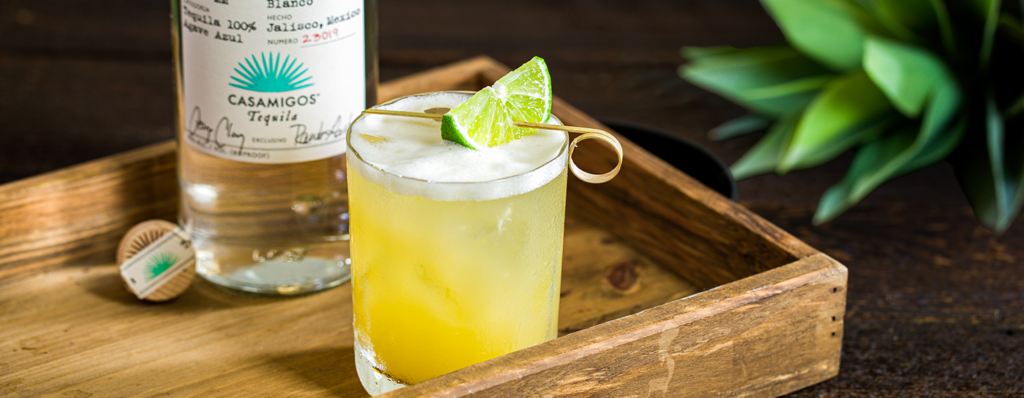

In the world of premium spirits, very few brands manage to rise from a passion project to a globally recognized name in just a few years. Casamigos is one of those rare success stories. Known for its smooth taste, minimalist branding, and celebrity roots, Casamigos has transformed the tequila market and redefined what modern luxury tequila looks like.
Unlike many spirits that are built purely for mass production, Casamigos was created with a simple philosophy: make tequila that tastes good without needing salt or lime. This focus on flavor, craftsmanship, and authenticity quickly captured the attention of tequila lovers and casual drinkers alike.
Today, Casamigos is more than just a tequila brand. It represents lifestyle, quality, and a shift in how consumers perceive ultra-premium tequila. In this article, we will explore the origin of Casamigos, its production process, different expressions, taste profile, market impact, and why it continues to dominate the premium tequila category.
The Origin of Casamigos: A Tequila Made for Friends
Casamigos was founded in 2013 by longtime friends George Clooney, Rande Gerber, and Mike Meldman. The name “Casamigos” literally translates to “house of friends,” which perfectly reflects the brand’s original purpose.
The trio did not initially plan to sell tequila. Instead, they wanted to create a spirit they could enjoy privately with friends and family at their homes in Mexico. Unsatisfied with existing tequilas that felt too harsh or overly processed, they began experimenting with a custom recipe.
After years of refining the flavor, they eventually realized they had created something special. What started as a personal passion project soon evolved into a commercial brand that would reshape the tequila industry.
How Casamigos Tequila Is Made
1. Hand-Selected Blue Weber Agave
Casamigos uses 100% Blue Weber agave, grown in the rich red clay soil of Jalisco, Mexico. The agave plants are harvested only after reaching full maturity, typically between 7 and 9 years, ensuring optimal sugar content and flavor depth.
2. Slow Roasting Process
Unlike many tequilas that rely on faster industrial methods, Casamigos roasts its agave for an extended period in traditional ovens. This slow roasting caramelizes the natural sugars, resulting in a smoother and slightly sweeter profile.
3. Extended Fermentation
Casamigos is known for its unusually long fermentation process, which can last significantly longer than industry standards. This step enhances complexity and removes harsh alcohol notes, contributing to the brand’s signature smoothness.
4. Careful Distillation
The tequila is distilled with precision to preserve the agave’s natural flavors. The result is a clean, balanced spirit that appeals to both tequila purists and newcomers.
Casamigos Tequila Variants Explained
Casamigos offers several expressions, each crafted to suit different palates and drinking preferences.
Casamigos Blanco
Casamigos Blanco is unaged and bottled shortly after distillation. It delivers a crisp, fresh agave taste with subtle citrus and vanilla notes. This expression is ideal for sipping neat or mixing into premium cocktails such as margaritas and palomas.
Key characteristics:
- Clean and smooth finish
- Notes of citrus, sweet agave, and vanilla
- Excellent for cocktails and sipping
Casamigos Reposado
Reposado is aged in American white oak barrels, giving it a richer and warmer profile. The aging process adds hints of caramel and oak while maintaining the brand’s signature smoothness.
Key characteristics:
- Soft oak influence
- Notes of caramel, cocoa, and agave
- Balanced and approachable
Casamigos Añejo
Aged for over a year, Casamigos Añejo is crafted for slow sipping. It offers deeper complexity with layers of spice, wood, and subtle sweetness.
Key characteristics:
- Rich amber color
- Notes of vanilla, spice, and toasted oak
- Ideal for sipping neat or on the rocks
Casamigos Mezcal
Although technically not tequila, Casamigos Mezcal expands the brand into another premium agave spirit category. It delivers a smoky yet refined profile that appeals to mezcal enthusiasts.
What Makes Casamigos Taste Different?
The defining feature of Casamigos is its smoothness. Many drinkers describe it as easy to sip, even for those who typically find tequila too strong or harsh.
This smooth taste comes from:
- Long fermentation
- Slow cooking of agave
- Careful distillation
- No overpowering additives
Casamigos does not rely on excessive burn or sharp alcohol notes. Instead, it emphasizes balance, making it accessible to a broad audience without sacrificing quality.
Casamigos and Celebrity Branding
While celebrity involvement helped Casamigos gain early visibility, the brand’s success is not based on fame alone. Many celebrity spirits fail because they prioritize marketing over product quality. Casamigos succeeded because the tequila itself stood out.
George Clooney’s association gave the brand credibility and media attention, but repeat customers stayed because they genuinely enjoyed the taste. This balance between star power and authenticity played a crucial role in Casamigos becoming a household name.
The Acquisition That Changed the Spirits Industry
In 2017, Casamigos was acquired by Diageo, one of the world’s largest spirits companies, in a deal reportedly valued at up to $1 billion. This acquisition marked one of the biggest celebrity brand exits in the alcohol industry.
Despite concerns that large corporate ownership might impact quality, Casamigos has maintained its production standards and brand identity. With Diageo’s global distribution network, Casamigos expanded rapidly into international markets while preserving its premium image.
Casamigos in Cocktail Culture
Casamigos has become a favorite in upscale bars and home bars alike. Its smooth profile makes it versatile for both classic and modern cocktails.
Popular Casamigos cocktail uses include:
- Premium margaritas
- Tequila old fashioneds
- Palomas
- Simple tequila and soda
Bartenders appreciate its consistency and balance, while consumers enjoy a high-end cocktail experience without overpowering flavors.
Why Casamigos Is Popular Among New Tequila Drinkers
Casamigos has played a significant role in introducing new consumers to tequila. Many people who previously avoided tequila due to bad experiences with low-quality shots found Casamigos to be surprisingly enjoyable.
The brand’s approachable flavor, elegant packaging, and lifestyle branding helped change perceptions. It positioned tequila not just as a party drink, but as a refined spirit worthy of sipping.
Casamigos Pricing and Value
Casamigos is positioned in the ultra-premium category. While it is more expensive than standard tequilas, many consumers believe the price is justified by its smoothness, branding, and consistent quality.
It competes with other high-end tequila brands and often serves as an entry point for drinkers looking to upgrade from mass-market options.
Sustainability and Production Ethics
Casamigos has made efforts to support sustainable practices in agave farming and production. Responsible sourcing and long-term agave cultivation are essential, especially as global tequila demand continues to rise.
While sustainability remains a challenge across the tequila industry, Casamigos’ controlled production and quality focus help reduce waste and maintain consistency.
Is Casamigos Worth It?
Whether Casamigos is “worth it” depends on what the drinker values. For those seeking:
- Smooth sipping tequila
- Premium branding
- Reliable quality
- Versatility in cocktails
Casamigos offers strong value within its category. While some tequila purists may prefer more traditional or earthy profiles, Casamigos excels at delivering a clean, modern experience.
Final Thoughts: The Lasting Impact of Casamigos
Casamigos has left a permanent mark on the tequila industry. It helped popularize ultra-premium tequila, changed how consumers view celebrity spirits, and raised expectations for smoothness and drinkability.
From its humble beginnings as a tequila made for friends to becoming a globally recognized luxury brand, Casamigos represents innovation, quality, and modern tequila culture. Its success is not accidental—it is the result of thoughtful production, clear vision, and a deep respect for the agave spirit.