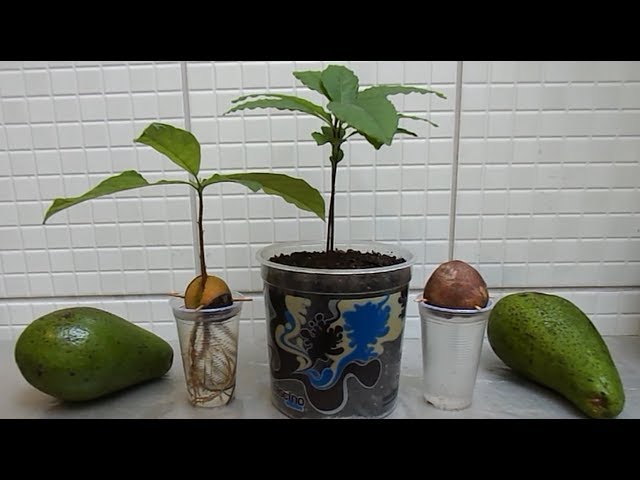

Planting an avocado seed is one of those simple yet surprisingly rewarding experiences that connects you with nature in a very personal way. What begins as a leftover pit from your breakfast can slowly turn into a beautiful green plant and, with patience and care, even a fruit-bearing tree. Many people think growing an avocado is complicated, but the truth is that it is one of the most beginner-friendly plants you can start with. You do not need advanced gardening skills, expensive tools, or a large backyard. All you need is an avocado seed, some patience, and a willingness to learn from the process.
This article will walk you through everything you need to know about planting an avocado seed, from understanding the seed itself to caring for your growing plant over time. The explanation is detailed, practical, and written in a natural, human tone so you can confidently follow each step.
Understanding the Avocado Seed Before Planting
Before planting an avocado seed, it helps to understand what you are working with. The avocado seed, also called a pit, is the large, round core found in the center of the fruit. It contains all the genetic information needed to grow an avocado plant. However, not every seed will grow successfully, and not every avocado plant will produce fruit. Still, growing one is an excellent learning experience and a satisfying project.
An avocado seed has two important ends:
- The bottom (flat end): This is where the roots will grow.
- The top (pointed end): This is where the stem and leaves will emerge.
Knowing the correct orientation of the seed is crucial for successful planting.
Choosing the Right Avocado Seed
The journey starts with selecting a healthy avocado. Try to choose a ripe avocado that has not been damaged or overly soft. Once you cut the fruit open and remove the seed, inspect it carefully.
A good avocado seed should:
- Be firm, not cracked or mushy
- Have a uniform light brown color
- Be free from mold or dark spots
Avoid seeds that look shriveled or broken, as they have a lower chance of sprouting.
Cleaning the Avocado Seed Properly
After removing the seed from the fruit, gently wash it under lukewarm water. This step removes any remaining fruit flesh, which can cause mold if left on the seed. Be careful not to remove the thin brown skin covering the seed, as it helps protect it during germination.
Once cleaned, you can either plant it immediately or let it dry for a few hours. Do not let it dry for days, as this may reduce its ability to sprout.
Two Popular Methods to Plant an Avocado Seed
There are two widely used methods for planting an avocado seed:
- The water method
- The soil method
Both methods work well, and your choice depends on personal preference. Below, each method is explained in detail.
Method 1: Growing an Avocado Seed in Water
This is the most popular and visually exciting method because you can watch the roots and stem grow.
What You Will Need
- One avocado seed
- Three or four toothpicks
- A glass or jar
- Fresh water
Step-by-Step Instructions
- Insert toothpicks into the seed
Gently push three or four toothpicks into the middle of the seed, spacing them evenly around it. These toothpicks will act as supports. - Place the seed over water
Rest the toothpicks on the rim of a glass so that the bottom of the seed is submerged in water while the top remains dry. - Fill with water
Add enough water to cover about one inch of the bottom of the seed. - Choose the right location
Place the glass in a warm area with indirect sunlight. A windowsill that does not receive harsh direct sun is ideal. - Change the water regularly
Replace the water every two to three days to prevent bacteria and mold growth.
What to Expect Over Time
- Week 2–4: The seed may crack open, and a root will begin to grow downward.
- Week 4–6: A stem will emerge from the top.
- Week 6–8: Leaves will start forming.
Once the stem is about 6 to 8 inches tall and the roots are well developed, the seed is ready to be planted in soil.
Method 2: Planting an Avocado Seed Directly in Soil
If you prefer a more natural approach, planting the seed directly in soil works just as well.
What You Will Need
- A medium-sized pot with drainage holes
- Well-draining potting soil
- One avocado seed
Step-by-Step Instructions
- Prepare the pot
Fill the pot with soil, leaving about an inch of space at the top. - Position the seed correctly
Place the seed into the soil with the pointed end facing up. Bury only the bottom half of the seed, leaving the top half exposed. - Water the soil
Water the soil until it is evenly moist but not soaked. - Choose a warm spot
Place the pot in a warm area with indirect sunlight. - Maintain moisture
Keep the soil slightly moist at all times. Avoid letting it dry out completely.
With this method, sprouting may take a little longer, but the seed often adjusts better once it begins growing.
Caring for Your Avocado Plant After Sprouting
Once your avocado seed has sprouted, proper care becomes essential for healthy growth.
Light Requirements
Avocado plants love light. Place your plant where it can receive bright, indirect sunlight for several hours a day. As the plant grows stronger, it can gradually handle more direct sunlight.
Watering Schedule
Water your avocado plant when the top inch of soil feels dry. Overwatering can lead to root rot, while underwatering can cause the leaves to droop or turn brown. Balance is key.
Pruning for Healthy Growth
When the stem reaches about 12 inches tall, trim it back to around 6 inches. This encourages the plant to grow bushier instead of tall and weak. Regular pruning helps create a strong structure.
Temperature and Environment
Avocado plants prefer warm temperatures and do not tolerate frost. If you live in a cooler climate, keep the plant indoors during cold seasons.
Transplanting Your Avocado Plant
As your avocado plant grows, it will eventually outgrow its pot. Transplanting is necessary to give the roots more space.
When to Transplant
- Roots start growing out of the drainage holes
- The plant becomes top-heavy
- Growth slows despite good care
How to Transplant Safely
Choose a slightly larger pot and use fresh, well-draining soil. Gently remove the plant from its old pot, keeping the root ball intact, and place it into the new container. Water thoroughly after transplanting.
Can an Avocado Grown from Seed Produce Fruit?
This is one of the most common questions people ask. The honest answer is: maybe, but not always.
Avocado plants grown from seed:
- Can take 5 to 10 years to produce fruit
- May never produce fruit
- May produce fruit that tastes different from the original avocado
Even if it never bears fruit, the plant itself is attractive and makes a great indoor or outdoor decorative tree.
Common Problems and How to Fix Them
Yellow Leaves
This often means overwatering. Reduce watering and ensure proper drainage.
Brown Leaf Tips
This can be caused by low humidity or salt buildup. Use filtered water and mist the leaves occasionally.
Slow Growth
Check light levels and soil quality. Avocado plants need sufficient sunlight and nutrients.
Benefits of Growing an Avocado Plant at Home
- It reduces food waste by reusing seeds
- It teaches patience and responsibility
- It improves indoor air quality
- It adds natural beauty to your space
- It provides a sense of accomplishment
Growing an avocado seed is not just about gardening; it is about watching life develop from something simple.
Final Thoughts
Planting an avocado seed is a journey that requires patience, consistency, and care. While the process takes time, every stage—from the first crack in the seed to the appearance of new leaves—is deeply rewarding. Whether your goal is to grow a fruit-bearing tree or simply enjoy a beautiful green plant, the experience itself is worth it.