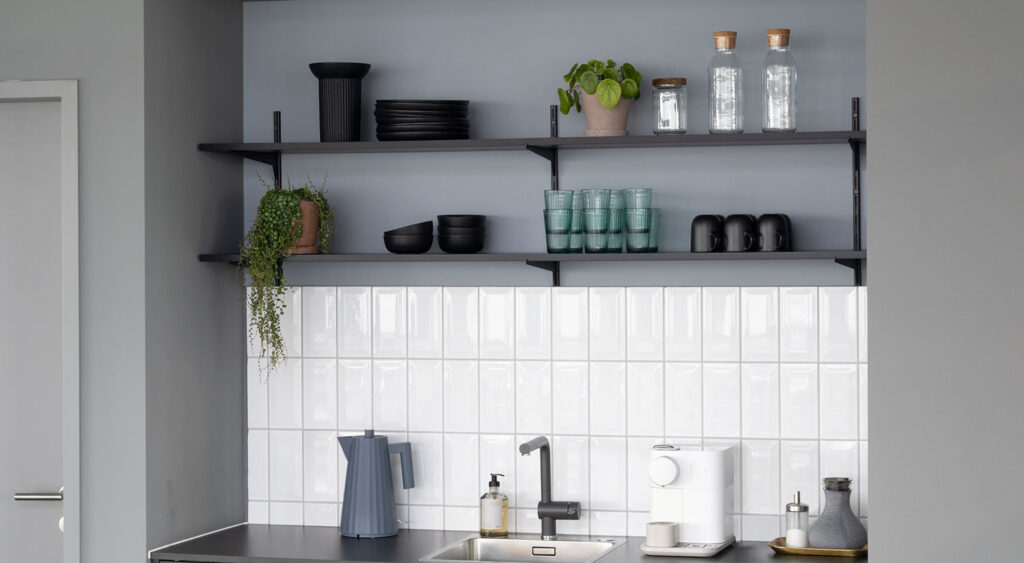

Kitchen shelves are no longer just a functional element hidden behind cabinet doors. Today, they are a defining feature of modern kitchens, blending storage, accessibility, and design into one essential component. Whether you are renovating your kitchen, designing a new space, or simply upgrading your storage, kitchen shelves can transform both how your kitchen looks and how it functions.
This comprehensive guide explores everything you need to know about kitchen shelves—from types and materials to design ideas, organization tips, and maintenance—so you can make informed decisions that improve both aesthetics and practicality.
Understanding the Purpose of Kitchen Shelves
At their core, kitchen shelves serve three primary purposes:
- Storage – Keeping everyday items accessible
- Organization – Reducing clutter and improving efficiency
- Design – Enhancing the visual appeal of the kitchen
Unlike closed cabinets, shelves offer visibility and ease of access. This makes them ideal for frequently used items such as dishes, spices, cookware, and small appliances. When thoughtfully designed, kitchen shelves can create a sense of openness, especially in smaller kitchens.
Types of Kitchen Shelves
Choosing the right type of kitchen shelf depends on space, lifestyle, and design preferences. Below are the most common types used in modern kitchens.
Open Kitchen Shelves
Open shelves are one of the most popular kitchen design trends. They remove the visual bulk of cabinets and create an airy, contemporary look.
Benefits:
- Easy access to daily essentials
- Makes small kitchens feel larger
- Allows decorative displays
Considerations:
- Requires regular cleaning
- Items must be neatly arranged
Floating Kitchen Shelves
Floating shelves are mounted directly to the wall with hidden brackets, creating a clean, seamless appearance.
Benefits:
- Minimalist design
- Works well in modern and transitional kitchens
- Customizable height and spacing
Considerations:
- Weight limitations
- Professional installation may be required
Corner Kitchen Shelves
Corner shelves maximize unused space and are perfect for compact kitchens.
Benefits:
- Utilizes difficult areas
- Great for spices or small items
Considerations:
- Limited shelf depth
- Requires precise measurements
Built-In Kitchen Shelves
Built-in shelves are integrated into cabinetry or walls and provide a cohesive look.
Benefits:
- Seamless design
- High storage capacity
Considerations:
- Less flexible
- Higher installation cost
Popular Materials for Kitchen Shelves
The material you choose affects durability, maintenance, and overall style.
Wooden Kitchen Shelves
Wood remains a timeless favorite due to its warmth and versatility.
Popular wood types:
- Oak
- Pine
- Walnut
- Maple
Advantages:
- Durable and long-lasting
- Suitable for rustic, farmhouse, and modern kitchens
Maintenance:
- Needs sealing to protect from moisture
- Occasional polishing
Metal Kitchen Shelves
Metal shelves are commonly used in industrial or modern kitchens.
Advantages:
- Extremely durable
- Easy to clean
- Resistant to moisture
Best uses:
- Pantry storage
- Heavy cookware
Glass Kitchen Shelves
Glass shelves add elegance and reflect light, making kitchens appear brighter.
Advantages:
- Sleek and modern look
- Ideal for display
Limitations:
- Lower weight capacity
- Requires frequent cleaning
Stone and Composite Shelves
Stone shelves offer luxury and strength.
Advantages:
- Highly durable
- Resistant to heat
Limitations:
- Expensive
- Heavy installation
Kitchen Shelf Design Styles
Your kitchen shelves should complement the overall design theme of your kitchen.
Modern Kitchen Shelves
- Clean lines
- Neutral colors
- Minimal decor
Floating shelves in matte black or white are common choices for modern kitchens.
Rustic and Farmhouse Shelves
- Natural wood finishes
- Thick wooden planks
- Visible brackets
These shelves pair well with ceramic dishes and glass jars.
Industrial Kitchen Shelves
- Metal frames
- Reclaimed wood
- Exposed hardware
Industrial shelves work best in open-plan kitchens.
Traditional Kitchen Shelves
- Detailed woodwork
- Symmetrical layout
- Warm tones
Often paired with classic cabinetry and decorative molding.
How to Organize Kitchen Shelves Effectively
A well-organized kitchen shelf is both practical and visually appealing.
Group Items by Function
Place similar items together:
- Plates and bowls
- Spices and condiments
- Baking supplies
This improves efficiency and reduces clutter.
Use Storage Containers
Glass jars, baskets, and labeled containers keep items tidy and uniform.
Balance Function and Decoration
Avoid overcrowding shelves. Combine functional items with decorative elements such as:
- Plants
- Cookbooks
- Decorative bowls
Maintain Visual Balance
Alternate heights and shapes to create a balanced look. Avoid placing all tall items on one shelf.
Kitchen Shelves for Small Kitchens
In small kitchens, shelves can be a space-saving solution.
Vertical Shelving
Use vertical wall space to store items without occupying floor area.
Narrow Shelves
Slim shelves are ideal for spices, oils, and condiments.
Multi-Purpose Shelves
Install shelves that double as:
- Microwave stands
- Coffee stations
- Pantry storage
Kitchen Shelf Placement Tips
Proper placement enhances usability and safety.
- Install shelves at eye level for daily items
- Keep heavy items on lower shelves
- Avoid placing shelves too close to the stove
Spacing between shelves should allow easy access while accommodating item height.
Maintenance and Cleaning of Kitchen Shelves
Kitchen shelves require regular care to stay functional and hygienic.
Cleaning Tips
- Wipe shelves weekly
- Use mild cleaners
- Avoid excess water on wooden shelves
Preventing Damage
- Use shelf liners
- Avoid overloading
- Repair loose brackets immediately
Common Mistakes to Avoid
Even well-designed kitchens can suffer from poor shelf planning.
Overcrowding Shelves
Too many items make shelves look messy and reduce usability.
Ignoring Weight Limits
Always consider the load capacity, especially for floating shelves.
Poor Material Choice
Choosing the wrong material can lead to warping, rust, or breakage.
Inconsistent Design
Mismatched shelf styles disrupt visual harmony.
Are Kitchen Shelves Better Than Cabinets?
Kitchen shelves and cabinets serve different purposes.
Shelves are ideal if you:
- Want easy access
- Prefer an open, airy design
- Enjoy styling your kitchen
Cabinets are better if you:
- Want hidden storage
- Store many items
- Prefer a clutter-free appearance
Many modern kitchens use a combination of both for maximum efficiency.
Future Trends in Kitchen Shelving
Kitchen shelving continues to evolve with lifestyle and design trends.
- Adjustable shelving systems
- Eco-friendly materials
- Smart storage solutions
- Modular shelf designs
These innovations focus on flexibility, sustainability, and user convenience.
Final Thoughts
Kitchen shelves are more than just storage units—they are a design statement and a functional necessity. With the right materials, layout, and organization, kitchen shelves can dramatically improve your cooking experience and elevate the overall look of your kitchen.
Whether you prefer sleek modern shelves, rustic wooden designs, or space-saving solutions for small kitchens, the key is thoughtful planning. When done correctly, kitchen shelves combine beauty and practicality in a way few other kitchen elements can.
By understanding your needs and applying smart design principles, you can create kitchen shelves that are efficient, stylish, and perfectly suited to your home.