
Introduction
Tornadoes are among nature’s most powerful and destructive forces, capable of reshaping entire communities within minutes. One such event that brought national attention to Kentucky was the tornado that struck Mayfield. The impact was both immediate and profound, leaving behind a trail of destruction that tested the resilience and spirit of the local community. In this article, we delve into the details of the Mayfield, Kentucky tornado, its causes, effects, and the recovery efforts that followed.
The Anatomy of a Tornado
Tornadoes are violent rotating columns of air extending from a thunderstorm to the ground. They can reach wind speeds exceeding 200 miles per hour, making them capable of leveling buildings, uprooting trees, and creating life-threatening situations for residents in their path. Tornado formation requires a combination of atmospheric instability, wind shear, and moisture—a perfect storm scenario that is unfortunately common in regions like the Midwest and parts of the Southern United States, including Kentucky.
Mayfield, Kentucky: Geographic and Climatic Context
Mayfield, located in Graves County, sits in western Kentucky. While Kentucky is not part of the central Tornado Alley, it is susceptible to severe weather events, especially during the spring and late fall months. The convergence of warm, moist air from the Gulf of Mexico with cooler air masses from the north creates ideal conditions for severe thunderstorms and tornado development. Residents of Mayfield, like many communities in this region, are well aware of the risks, often preparing in advance with storm shelters and emergency plans.
The Tornado Event: What Happened
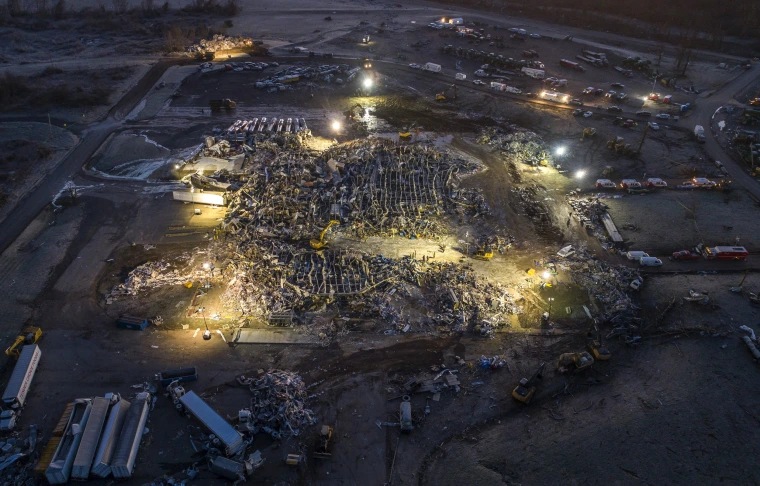
The Mayfield tornado struck with little warning, as is often the case with severe tornadoes. Witnesses reported seeing a rapidly forming funnel cloud that descended from dark, menacing storm clouds. Within minutes, the tornado tore through neighborhoods, leaving homes destroyed, businesses damaged, and essential infrastructure compromised. Emergency alerts and sirens helped mitigate casualties, but the sheer force of the storm left an undeniable mark on the community.
Eyewitness accounts often describe the tornado as a “wall of wind and debris,” with objects lifted and thrown through the air. Vehicles were overturned, power lines snapped, and entire blocks were reduced to rubble. The immediate aftermath was chaotic, with families searching for loved ones, first responders coordinating rescue efforts, and local authorities assessing the scale of the disaster.
Human Impact and Casualties
While structural damage is visible, the human impact of a tornado is immeasurable. Residents of Mayfield faced not only physical injury but also emotional trauma. The destruction of homes and businesses meant that many were displaced, forced to rely on temporary shelters and community aid. Schools and hospitals faced interruptions, highlighting the broader social implications of such natural disasters.
Communities often rally together after tornadoes, with neighbors helping neighbors, local organizations providing emergency assistance, and volunteers from surrounding areas contributing to relief efforts. In Mayfield, the spirit of resilience became evident as cleanup operations began almost immediately, emphasizing the importance of unity in the face of disaster.
Environmental and Economic Consequences
Beyond the immediate destruction, tornadoes leave long-term environmental and economic impacts. Trees are uprooted, landscapes altered, and local wildlife habitats destroyed. Economically, small towns like Mayfield can experience setbacks as businesses are forced to close, infrastructure repairs strain municipal budgets, and residents cope with the financial burden of rebuilding.
Insurance claims often rise dramatically after tornado events, and local governments may need federal assistance to expedite recovery. Despite these challenges, communities often emerge stronger, having rebuilt with improved infrastructure and preparedness measures.
Emergency Preparedness and Safety Measures
The Mayfield tornado serves as a reminder of the importance of emergency preparedness. Key safety measures include:
- Early Warning Systems – Tornado sirens, weather apps, and local alerts provide crucial minutes for residents to seek shelter.
- Safe Shelter – Basements, storm cellars, and interior rooms on the lowest floor offer protection from high winds and flying debris.
- Emergency Kits – Stocking water, non-perishable food, first aid supplies, and flashlights ensures families can survive the immediate aftermath.
- Community Plans – Coordination among schools, hospitals, and local authorities enhances safety during tornado events.
Education about tornado risks and regular drills help minimize casualties and prepare communities for unexpected disasters.
Recovery and Community Resilience
Recovery in Mayfield involved multiple stages. Initial rescue operations gave way to debris removal, structural assessment, and rebuilding efforts. Local organizations, aided by state and federal agencies, played a pivotal role in providing financial assistance, temporary housing, and counseling services for affected families.
The rebuilding process often sparks innovation, as communities invest in more resilient construction, enhanced emergency infrastructure, and better communication systems. Mayfield’s recovery reflects a broader narrative of human determination: the capacity to endure extreme hardship while laying the groundwork for a safer future.
Lessons Learned from the Mayfield Tornado
The Mayfield tornado teaches several critical lessons:
- Preparedness Saves Lives – Communities with emergency plans, storm shelters, and early warning systems fare better during tornado events.
- Rapid Response is Crucial – First responders and volunteers play a key role in saving lives and minimizing damage.
- Mental Health Matters – Emotional support and counseling are essential components of disaster recovery.
- Infrastructure Improvement is Necessary – Rebuilding provides an opportunity to enhance resilience against future tornadoes.
These lessons extend beyond Mayfield, offering valuable insights for other tornado-prone areas in the United States and around the world.
Conclusion
The Mayfield, Kentucky tornado serves as a stark reminder of nature’s power and unpredictability. Its impact on the community was immediate, devastating, and long-lasting. Yet, in the face of destruction, the resilience, solidarity, and determination of Mayfield’s residents shone through. By learning from such events, investing in preparedness, and fostering community resilience, towns like Mayfield can face future tornado threats with greater confidence and strength.