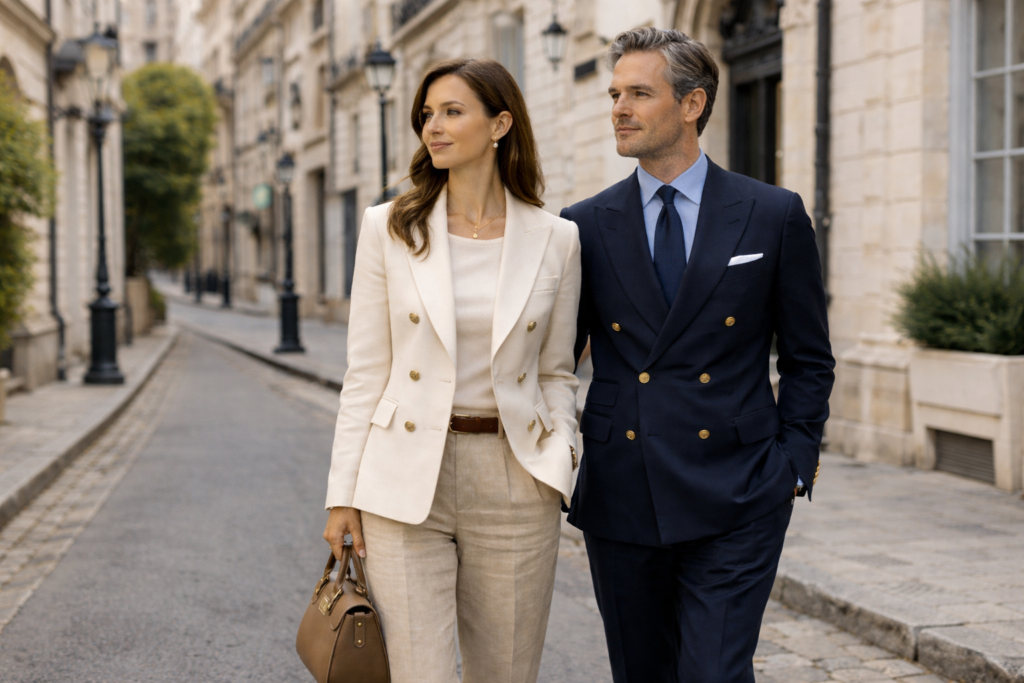

Old money fashion has long been associated with sophistication, elegance, and understated wealth. Unlike trends that fluctuate with the seasons, this style embodies a sense of timelessness, rooted in heritage and tradition. Often misunderstood, old money fashion is not about flaunting wealth through logos or ostentation but expressing it subtly through quality, fit, and a cultivated sense of taste. In this article, we’ll explore the essence of old money fashion, its key elements, and how anyone can incorporate this refined style into their wardrobe.
What is Old Money Fashion?
Old money fashion refers to the classic and understated style commonly associated with families who have inherited wealth over generations. It is often characterized by conservative elegance, high-quality materials, and timeless silhouettes. Unlike “new money” fashion, which can emphasize flashy logos and trends, old money fashion emphasizes discretion and longevity.
The aesthetic is influenced by European aristocracy, Ivy League culture, and heritage brands. Think tailored blazers, cashmere sweaters, silk scarves, loafers, and structured handbags. The focus is not on trends but on building a wardrobe that remains stylish over decades.
Keywords: old money style, classic fashion, heritage clothing, timeless fashion.
The Philosophy Behind Old Money Fashion
The philosophy of old money fashion is simple yet profound: invest in quality over quantity. This principle extends beyond clothing into lifestyle, where elegance and refinement are preferred over conspicuous consumption.
Some defining principles include:
- Subtlety Over Showiness: Avoid flashy logos or overly trendy pieces. Wealth is shown through quality, not ostentation.
- Investment in Timeless Pieces: Items such as tailored coats, cashmere sweaters, and leather loafers last decades if cared for properly.
- Neutral and Classic Color Palette: Navy, beige, white, black, and muted pastels dominate old money wardrobes. These shades are versatile and exude sophistication.
- Attention to Fit: Properly tailored clothing elevates even simple outfits, emphasizing clean lines and refined aesthetics.
By embracing these principles, old money fashion reflects a lifestyle of understated refinement and cultivated taste.
Keywords: subtle luxury, investment wardrobe, timeless pieces, elegant style.
Key Elements of Old Money Fashion
To truly understand old money fashion, it’s essential to identify its core components. Here’s a breakdown of the wardrobe staples and accessories that define this iconic style.
1. Tailored Blazers and Coats
Blazers and coats are the backbone of old money fashion. Think double-breasted wool coats, tweed jackets, and structured blazers. These pieces are versatile, suitable for both casual and formal occasions, and instantly convey sophistication.
Tips:
- Opt for classic colors like navy, camel, and gray.
- Ensure the jacket fits perfectly at the shoulders and waist.
- Look for natural fabrics like wool, cashmere, or silk blends.
2. Cashmere and Fine Knits
Cashmere sweaters are synonymous with luxury in old money fashion. They are soft, durable, and exude quiet elegance. Crew necks, v-necks, and turtlenecks in neutral shades are wardrobe essentials.
Tips:
- Choose timeless colors such as cream, beige, or navy.
- Layer under a blazer for a polished yet relaxed look.
- Avoid flashy patterns that date quickly.
3. Button-Down Shirts and Polo Shirts
Classic button-down shirts in white, light blue, or subtle stripes are staples. Polo shirts are equally important for smart-casual settings, often paired with chinos or tailored shorts.
Tips:
- Invest in high-quality cotton or linen for breathability and durability.
- Keep designs simple; avoid oversized logos or embellishments.
4. Tailored Trousers and Chinos
Old money style prioritizes fit, fabric, and proportion. High-quality trousers in wool or cotton blends provide structure, while chinos offer a more relaxed yet polished appearance.
Tips:
- Neutral shades like khaki, navy, and charcoal are preferred.
- Ensure the hem hits just above the shoe for a refined silhouette.
5. Footwear: Loafers, Oxfords, and Boots
Shoes are an essential element of old money fashion. Classic leather loafers, brogues, and Chelsea boots communicate sophistication without excess.
Tips:
- Stick to brown, black, or tan leather.
- Maintain shoes meticulously with polish and cleaning.
- Choose quality over quantity; one pair of well-made shoes can last years.
6. Accessories: Minimal and Refined
Accessories in old money fashion are understated. Think leather belts, silk scarves, pearl earrings, and classic watches. The goal is to enhance the outfit subtly rather than dominate it.
Tips:
- Avoid flashy designer logos.
- Invest in quality materials that age gracefully, like gold, leather, and natural fabrics.
Color Palette and Patterns
Old money fashion favors muted, neutral tones that never go out of style. Navy, beige, camel, ivory, gray, and muted greens dominate the palette. Patterns are subtle: think herringbone, pinstripes, plaid, or small polka dots. These colors and patterns create a versatile wardrobe that can be mixed and matched effortlessly.
Keywords: classic colors, muted tones, subtle patterns, wardrobe versatility.
Old Money Fashion for Women
For women, old money fashion emphasizes refined femininity, timeless silhouettes, and quality fabrics. Key pieces include:
- Tailored blazers and trench coats
- Silk blouses and cashmere sweaters
- Pencil skirts and tailored trousers
- Classic dresses in solid colors
- Structured handbags and leather shoes
Accessories like pearl jewelry, silk scarves, and minimalist watches complete the look. The key is effortless elegance: clothing should look luxurious without appearing to try too hard.
Old Money Fashion for Men
Men’s old money fashion focuses on classic tailoring, understated luxury, and practical elegance. Essential wardrobe items include:
- Tailored blazers and sport coats
- Crisp button-down shirts and polo shirts
- Chinos and wool trousers
- Leather loafers, brogues, and boots
- Subtle watches and leather belts
Patterns such as pinstripes, herringbone, and muted plaids add depth without appearing ostentatious. The overall look is polished, intelligent, and enduring.
Modern Interpretation of Old Money Fashion
While rooted in tradition, old money fashion has adapted to modern lifestyles. Today’s interpretations incorporate contemporary tailoring, sustainable fabrics, and versatile pieces suitable for casual and formal settings.
Key trends include:
- Sustainable and ethical fashion: Choosing brands that focus on longevity and eco-friendly materials.
- Smart-casual aesthetics: Blending tailored pieces with casual staples like jeans or cashmere sweaters.
- Mixing heritage with modern brands: Incorporating classic brands with contemporary designers to create a balanced wardrobe.
The essence remains the same: timeless elegance and understated refinement.
Building an Old Money Wardrobe
Creating an old money wardrobe is about quality, versatility, and timelessness. Steps to building this wardrobe include:
- Audit Your Current Closet: Remove trendy or low-quality items.
- Invest in Staples: Purchase classic pieces like tailored blazers, cashmere sweaters, and leather shoes.
- Prioritize Fit: Tailoring is essential; even the most luxurious garments look sloppy if ill-fitting.
- Choose Neutral Colors: Build a base wardrobe with neutral tones for easy coordination.
- Add Subtle Accessories: Minimal jewelry, watches, and belts enhance the elegance.
- Maintain Your Clothing: Regular cleaning, polishing shoes, and proper storage extend the life of your wardrobe.
Why Old Money Fashion Matters
Old money fashion is not just about appearance—it reflects values, lifestyle, and mindset. Those who embrace this style prioritize:
- Quality over Quantity: Choosing fewer, better-made items.
- Timelessness over Trends: Investing in pieces that last generations.
- Discretion over Flashiness: Conveying sophistication without ostentation.
- Refinement and Culture: A subtle nod to education, heritage, and global awareness.
This approach is increasingly appreciated in a world dominated by fast fashion, where quality and style often take a backseat to fleeting trends.
Conclusion
Old money fashion is the epitome of timeless elegance and understated sophistication. Rooted in heritage, quality, and refinement, it transcends trends and emphasizes long-lasting style, impeccable fit, and subtle luxury. Whether for men or women, building an old money wardrobe requires careful selection of clothing, attention to fit, and investment in quality materials.
Ultimately, old money fashion is more than just a style—it’s a philosophy: dress with elegance, live with refinement, and value the understated. By embracing these principles, anyone can cultivate a wardrobe that is both timeless and effortlessly stylish.