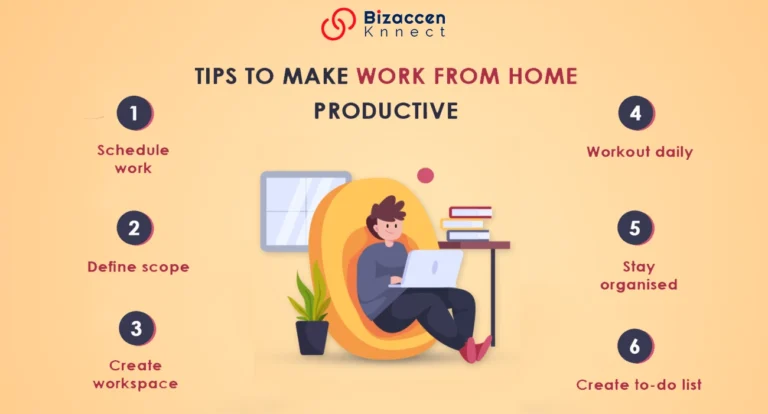

In recent years, the concept of working from home has shifted from a rare perk to a mainstream practice. While remote work offers flexibility and convenience, it also presents unique challenges, especially when it comes to maintaining productivity. Distractions, lack of structure, and blurred boundaries between work and personal life can hinder performance. However, with the right strategies, you can turn your home into a productivity powerhouse.
In this article, we’ll explore actionable, evidence-based productivity tips for working from home, designed to enhance focus, efficiency, and overall work satisfaction. Whether you are a remote employee, freelancer, or entrepreneur, these strategies will help you make the most of your workday.
1. Create a Dedicated Workspace
One of the biggest challenges of working from home is separating work from personal life. Establishing a dedicated workspace can significantly improve focus and reduce distractions.
- Choose the Right Spot: Ideally, select a quiet area in your home with minimal foot traffic. If space is limited, even a corner of a room with a desk can work.
- Invest in Comfort: Ergonomic chairs and desks reduce physical strain and keep you comfortable during long work hours.
- Personalize for Motivation: Adding plants, artwork, or inspirational quotes can make your workspace inviting and energizing.
Having a designated area signals to your brain that it’s time to work, helping you stay productive and focused.
2. Stick to a Consistent Schedule
Without the structure of an office, it’s easy for work hours to become inconsistent. Creating a consistent daily routine helps maintain discipline and prevents burnout.
- Set Clear Start and End Times: Decide when your workday begins and ends, and stick to it.
- Include Breaks: Use techniques like the Pomodoro Technique—25 minutes of focused work followed by a 5-minute break.
- Prioritize Tasks: Start your day with high-priority or high-energy tasks to maximize efficiency.
Consistency not only improves productivity but also helps you maintain a healthy work-life balance.
3. Minimize Distractions
Home environments can be filled with distractions, from household chores to social media. Identifying and minimizing these distractions is crucial.
- Turn Off Notifications: Silence phone and computer notifications during focus hours.
- Communicate Boundaries: Let family or housemates know your work schedule to avoid interruptions.
- Use Focus Tools: Applications like Focus@Will or Forest help you maintain concentration.
By proactively managing distractions, you can create an environment that fosters deep work.
4. Set Daily Goals
Without supervision, it’s easy to feel aimless. Setting clear, achievable goals for each day keeps you on track.
- Break Tasks into Steps: Large projects can be overwhelming. Divide them into smaller, manageable tasks.
- Use Task Management Tools: Tools like Trello, Asana, or Todoist help you visualize progress and stay organized.
- Review Your Progress: At the end of each day, review what you accomplished and plan for the next day.
Daily goals provide a sense of accomplishment and motivate you to stay productive.
5. Leverage Technology Wisely
Technology is both a blessing and a curse. While tools can enhance productivity, excessive multitasking on multiple apps can lead to distractions.
- Use Collaboration Tools: Applications like Slack, Zoom, and Microsoft Teams help you stay connected with colleagues.
- Automate Repetitive Tasks: Automation tools like Zapier or IFTTT save time on repetitive tasks.
- Limit Social Media: Avoid browsing social media during work hours to maintain focus.
Proper use of technology ensures efficiency without compromising concentration.
6. Take Regular Breaks
It may seem counterintuitive, but taking breaks actually increases productivity. Continuous work leads to fatigue, reducing focus and creativity.
- Follow the Pomodoro Technique: Work in focused intervals of 25-50 minutes with 5-10 minute breaks.
- Move Your Body: Stretch, walk, or exercise to refresh your mind and body.
- Step Outside: Natural light and fresh air help improve mood and cognitive function.
Short, strategic breaks help maintain energy and prevent burnout over the long term.
7. Maintain a Healthy Lifestyle
Productivity isn’t just about work habits; it’s deeply connected to your physical and mental health.
- Sleep Well: Aim for 7-9 hours of sleep to ensure cognitive performance.
- Eat Nutritious Meals: Avoid heavy, sugary foods that lead to energy crashes.
- Exercise Regularly: Even a 20-minute daily workout can boost focus and mood.
- Stay Hydrated: Dehydration can negatively affect concentration and energy levels.
A healthy lifestyle fuels productivity by keeping your mind and body in optimal condition.
8. Implement Time Management Strategies
Efficient use of time is key to maximizing output. Different time management techniques can help you stay organized.
- Time Blocking: Allocate specific blocks of time for tasks to prevent procrastination.
- Eisenhower Matrix: Categorize tasks based on urgency and importance to prioritize effectively.
- Batch Similar Tasks: Group similar tasks like emails, meetings, or calls to minimize context switching.
Time management techniques reduce wasted time and increase focus on meaningful work.
9. Communicate Effectively
Remote work relies heavily on communication. Clear, concise, and proactive communication prevents misunderstandings and keeps projects moving.
- Regular Updates: Keep your team informed of progress through daily or weekly updates.
- Use Video Calls Wisely: Visual communication enhances clarity and reduces misinterpretation.
- Ask for Feedback: Regular feedback improves performance and aligns expectations.
Effective communication ensures collaboration remains smooth even without face-to-face interaction.
10. Cultivate a Productive Mindset
Finally, productivity starts in the mind. Cultivating the right mindset can drastically enhance your work-from-home efficiency.
- Practice Self-Discipline: Treat remote work with the same professionalism as office work.
- Stay Motivated: Celebrate small wins and progress to maintain enthusiasm.
- Adopt a Growth Mindset: View challenges as opportunities to learn and improve.
A strong, positive mindset fuels productivity and resilience in the face of distractions and challenges.
11. Optimize Your Environment
Beyond your workspace, small changes in your home environment can improve productivity.
- Lighting: Natural light improves mood and energy. If unavailable, invest in bright, white light lamps.
- Sound: Some people work best with background music; others need silence. Experiment to find your optimal environment.
- Temperature and Air Quality: Comfortable temperatures and fresh air help maintain focus and comfort.
Optimizing environmental factors creates a conducive space for deep, uninterrupted work.
12. Learn to Say No
Working from home can blur boundaries, leading to overcommitment. Learning to say no protects your time and energy.
- Prioritize Your Workload: Focus on high-impact tasks first.
- Avoid Multitasking: Taking on too many tasks reduces efficiency and quality.
- Set Boundaries: Politely decline requests that interfere with your priorities.
Saying no allows you to focus on what truly matters, enhancing overall productivity.
13. Continuously Reflect and Improve
Finally, productivity is a journey, not a destination. Regular reflection helps you identify what works and what doesn’t.
- Weekly Review: Assess accomplishments, challenges, and areas for improvement.
- Experiment with New Strategies: Productivity isn’t one-size-fits-all. Try different methods to see what fits your workflow.
- Seek Feedback: Ask colleagues or mentors for insights on improving efficiency.
Continuous improvement ensures sustained productivity over time.
Conclusion
Working from home offers unparalleled flexibility, but without structure, it can also reduce efficiency and focus. By creating a dedicated workspace, establishing routines, minimizing distractions, setting goals, and prioritizing health, you can maximize productivity and enjoy a balanced, fulfilling work-from-home experience.
Remember, productivity isn’t about working harder—it’s about working smarter. Implement these strategies consistently, and you’ll notice significant improvements in both output and overall well-being.