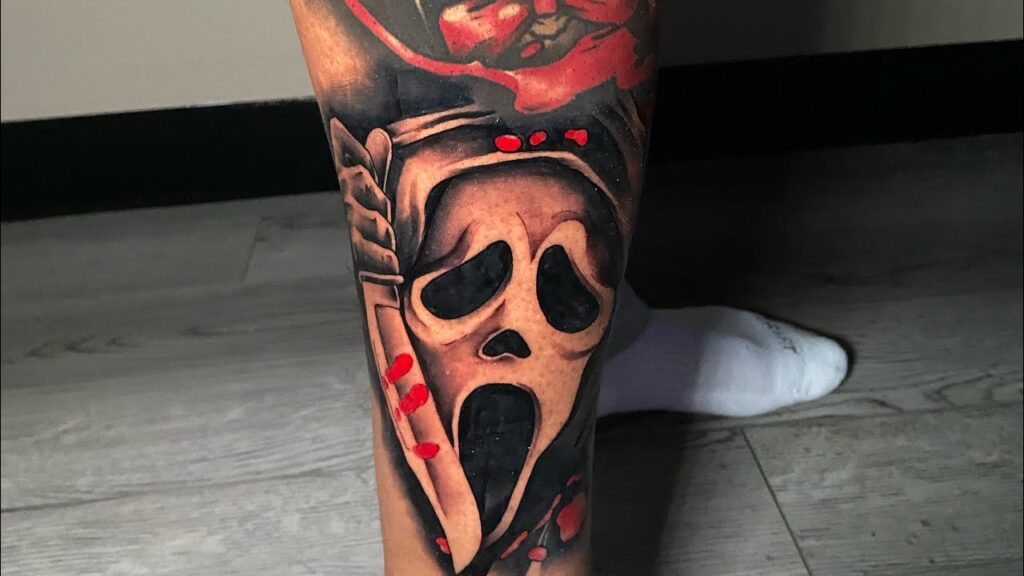

Tattoos have long been more than just aesthetic expressions—they are a language of their own. Among the myriad of tattoo designs, the “scream tattoo” has carved out a niche that attracts those who wish to convey intense emotions, inner turmoil, or a raw connection to human experience. Often inspired by iconic artwork, film, or personal struggles, scream tattoos capture a visceral sense of emotion that resonates with both the wearer and the observer. This article delves into the origins, symbolism, popular designs, placement ideas, and cultural impact of scream tattoos, highlighting why they remain a compelling choice for body art enthusiasts.
Origins of the Scream in Art and Culture
To fully appreciate the scream tattoo, one must consider its roots in visual culture. The concept of the scream is universally recognized as an expression of deep emotion, whether it be fear, pain, anger, or anguish. Historically, the most famous depiction of this emotion in art is Edvard Munch’s 1893 masterpiece, The Scream. Munch’s painting portrays a figure in existential despair, standing against a turbulent sky with hands clutching the face in horror. The intense emotion captured in that single image has influenced countless artists, filmmakers, and tattoo designers over the decades.
In contemporary culture, the motif of the scream has expanded beyond classic art. Horror films, psychological thrillers, and even modern digital media often use the scream as a symbol of vulnerability, catharsis, and humanity itself. Tattoo enthusiasts have adopted this imagery to create permanent visual representations of emotional intensity.
Symbolism of Scream Tattoos
Scream tattoos are more than aesthetic choices; they carry deep personal and philosophical meanings. While the interpretation can vary depending on the individual, common themes include:
- Expression of Inner Turmoil: For many, a scream tattoo represents bottled-up emotions or struggles that cannot be voiced verbally. It serves as a permanent outlet for internalized feelings of frustration, anxiety, or grief.
- Catharsis and Release: Just as screaming can be a physical release of emotion, wearing it as a tattoo can symbolize liberation from past traumas or hardships.
- Human Vulnerability: The scream is a universal sign of vulnerability. A tattoo depicting this can reflect the wearer’s acceptance of human fragility and emotional authenticity.
- Rebellion and Defiance: Some choose scream tattoos to make bold statements against societal norms, personal oppression, or injustice. The intensity of the imagery becomes a form of silent protest inked into the skin.
- Connection to Art and Culture: Fans of Edvard Munch or horror media may select scream tattoos as homage to these influential cultural artifacts, merging personal meaning with artistic appreciation.
Popular Styles and Designs
Scream tattoos can take a variety of forms, each conveying a different nuance of emotion. Some of the most common styles include:
- Realistic Portraits: These tattoos often replicate Munch’s The Scream or horror movie characters in lifelike detail. Realism allows for a striking emotional impact, with intricate shading emphasizing the depth of expression.
- Abstract Interpretations: Abstract designs might use distorted faces, exaggerated lines, and chaotic patterns to convey emotional intensity without sticking to literal representation. This style can evoke a sense of chaos, fear, or internal conflict.
- Minimalist Designs: Simpler tattoos, using just lines or subtle shapes, can capture the essence of a scream without overwhelming visual complexity. Minimalist scream tattoos are often small but carry symbolic weight for the wearer.
- Horror and Pop Culture: Many scream tattoos draw inspiration from movies like Scream, Psycho, or It, blending pop culture with personal meaning. These tattoos often include iconic masks, screaming figures, or dark atmospheric backgrounds.
- Surrealistic Tattoos: Surrealist scream tattoos combine dreamlike elements with expressive faces, often incorporating unexpected colors or motifs to represent mental states, emotions, or existential experiences.
Placement Ideas for Scream Tattoos
Choosing the right placement for a scream tattoo can enhance its impact and personal significance. Popular locations include:
- Forearm: Offers visibility and allows for larger, detailed designs that are easy to show or conceal.
- Chest: Close to the heart, chest tattoos often carry profound personal significance, amplifying the symbolic weight of the scream.
- Back: Provides ample space for elaborate designs, making it ideal for full-scale portraits or intricate interpretations.
- Neck and Collarbone: More daring placements convey vulnerability and rebellion, echoing the raw emotion of the scream.
- Legs: Thighs or calves offer a larger canvas and allow for creative compositions that integrate with other tattoos.
Choosing the Right Artist
Given the emotional intensity and complexity of scream tattoos, selecting a skilled tattoo artist is crucial. Artists experienced in realistic, abstract, or surrealistic designs are best equipped to bring the scream to life on skin. When choosing an artist:
- Review portfolios to ensure they can capture emotion convincingly.
- Discuss your personal interpretation of the scream to make the design unique.
- Consider the longevity of the design, as intricate details may fade without proper care.
Color and Technique Considerations
The visual impact of a scream tattoo depends heavily on color choices and tattooing techniques. Some considerations include:
- Black and Grey: Offers a timeless, dramatic effect that emphasizes shadows and emotion.
- Vibrant Colors: Bright reds, blues, or oranges can intensify the sense of chaos and intensity in the design.
- Line Work and Shading: Bold outlines with subtle shading can enhance depth, while sketch-like styles give a raw, unfinished feel that mirrors the unfiltered emotion of a scream.
- Watercolor Techniques: This approach allows for bleeding colors and abstract patterns that heighten emotional expression.
Emotional and Psychological Aspects
Scream tattoos often resonate on a deeply personal level. Psychologically, they can serve as a form of emotional catharsis, allowing individuals to externalize feelings of fear, sadness, or anger. In some cases, they may act as reminders of personal resilience, survival, or transformation. Tattoo enthusiasts have reported that such emotionally charged designs can provide a sense of closure or empowerment.
Scream Tattoos in Popular Culture
The scream tattoo has a visible presence in contemporary culture, particularly among those who are fans of horror or alternative art. Musicians, actors, and online influencers have popularized scream tattoos, often highlighting the design’s emotional intensity. Social media platforms like Instagram and TikTok have amplified their visibility, showcasing diverse interpretations that range from hyper-realistic portraits to whimsical abstract expressions.
Caring for Your Scream Tattoo
Like all tattoos, proper aftercare is essential to preserve the detail and impact of a scream tattoo. Recommendations include:
- Keeping the tattoo clean and moisturized during the healing process.
- Avoiding direct sunlight and swimming until fully healed.
- Following your artist’s instructions regarding ointments, bandaging, and touch-ups.
- Considering touch-ups over time to maintain the clarity of intricate designs, especially in areas prone to fading.
Conclusion
Scream tattoos are far more than just striking visuals—they are profound expressions of human emotion, vulnerability, and cultural connection. Whether inspired by classical art, personal experiences, or modern media, these tattoos allow wearers to communicate complex feelings that words alone cannot capture. With careful design, placement, and artistry, a scream tattoo becomes a powerful emblem of emotional depth, catharsis, and individuality. For those drawn to intensity, passion, and raw authenticity, the scream tattoo remains a timeless and resonant choice in the world of body art.