In a world driven by data, automation, and intelligent systems, assessment methods are undergoing a powerful transformation. Traditional evaluation models—often slow, manual, and subjective—are no longer sufficient for modern education, recruitment, and professional development. This is where the concept of a Smart Assessor emerges as a game-changing solution.
A Smart Assessor is not just a digital testing tool. It is an intelligent assessment ecosystem that leverages technology, analytics, and adaptive logic to evaluate knowledge, skills, performance, and potential in a more accurate, efficient, and fair manner. From schools and universities to corporate training and talent acquisition, smart assessment systems are redefining how individuals are measured and developed.
What Is a Smart Assessor?
A Smart Assessor is an advanced assessment system designed to evaluate learners or candidates using intelligent methods rather than static, one-size-fits-all testing. Unlike traditional exams that rely on fixed questions and manual grading, smart assessment systems adapt to user behavior, analyze performance patterns, and provide real-time feedback.
At its core, a Smart Assessor combines:
- Digital assessment platforms
- Automated scoring mechanisms
- Data-driven insights
- Adaptive testing logic
- Personalized feedback models
The goal is not only to measure outcomes but also to understand the learning or performance process behind those outcomes.
Evolution of Assessment Systems
Assessment has evolved through several stages:
- Manual Assessment – Paper-based tests, handwritten evaluations, and subjective grading
- Digital Assessment – Online quizzes and computer-based tests
- Automated Assessment – Instant scoring and result generation
- Smart Assessment – Adaptive, analytical, and personalized evaluation
Smart Assessors represent the most advanced stage, where technology does not merely digitize assessment but enhances intelligence and fairness in evaluation.
Core Features of a Smart Assessor
4
1. Adaptive Assessment
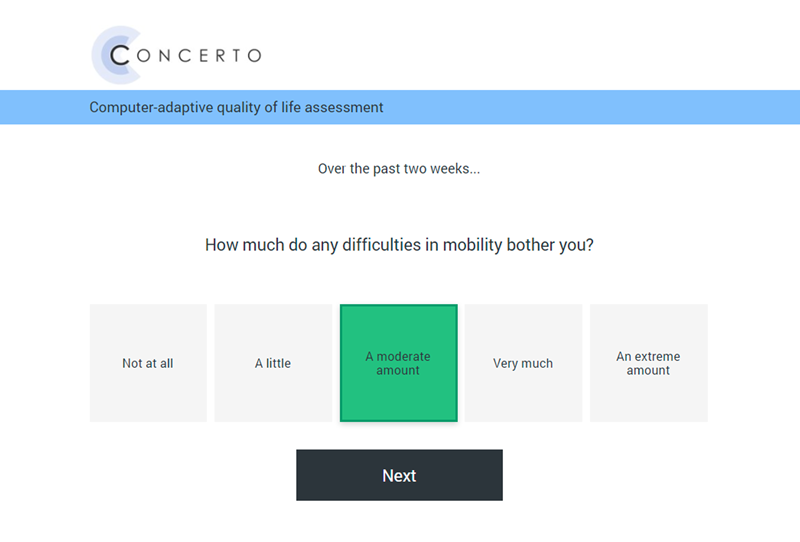
Smart Assessors adjust question difficulty based on the respondent’s answers. If a learner performs well, the system increases complexity; if they struggle, it offers simpler or supportive questions. This creates a more accurate measurement of actual skill level.
2. Automated and Consistent Scoring
Human bias and inconsistency are major drawbacks of traditional grading. Smart Assessors use predefined algorithms and criteria, ensuring fair and uniform evaluation for all participants.
3. Real-Time Feedback
Instead of waiting days or weeks for results, users receive instant insights into their performance, strengths, and weaknesses. This immediate feedback significantly improves learning outcomes.
4. Data-Driven Insights
Smart Assessors collect and analyze large volumes of assessment data. This allows institutions and organizations to identify trends, gaps, and improvement areas at both individual and group levels.
5. Scalability
Whether assessing ten learners or ten thousand candidates, smart assessment platforms can scale effortlessly without compromising accuracy or efficiency.
How a Smart Assessor Works
The functionality of a Smart Assessor can be broken down into several steps:
- Assessment Design
Questions, scenarios, or tasks are created based on learning objectives or evaluation goals. - User Interaction
Learners or candidates interact with the assessment through an online platform. - Response Analysis
The system evaluates responses using predefined logic, scoring rules, or intelligent models. - Adaptation and Adjustment
The assessment dynamically adjusts based on performance and response behavior. - Result Generation
Scores, reports, and analytics are generated instantly. - Feedback and Recommendations
Personalized feedback, learning paths, or next steps are suggested.
Benefits of Using a Smart Assessor
1. Enhanced Accuracy
Smart assessment systems measure deeper understanding rather than rote memorization. They evaluate not just what users know, but how they apply knowledge.
2. Time and Cost Efficiency
Automation reduces administrative workload, grading time, and operational costs for institutions and organizations.
3. Personalized Learning and Development
Each individual receives tailored insights, helping them focus on specific improvement areas.
4. Reduced Bias
By standardizing evaluation criteria, Smart Assessors minimize human subjectivity and unconscious bias.
5. Better Decision-Making
Organizations can make informed decisions about hiring, promotions, training needs, or curriculum design using assessment analytics.
Applications of Smart Assessor Systems


1. Education Sector
Schools, colleges, and universities use Smart Assessors to:
- Evaluate student learning outcomes
- Conduct formative and summative assessments
- Identify learning gaps early
- Support personalized education plans
Smart assessment also enables remote and hybrid learning environments to function effectively.
2. Corporate Training and Development
Organizations use smart assessment tools to:
- Measure employee skills
- Track training effectiveness
- Identify leadership potential
- Support continuous professional development
3. Recruitment and Hiring
Smart Assessors help employers evaluate candidates objectively through:
- Skills tests
- Cognitive assessments
- Situational judgment tests
- Role-specific evaluations
This leads to better hiring decisions and reduced turnover.
4. Certification and Compliance
Professional bodies and regulatory organizations rely on Smart Assessors to ensure compliance, standardization, and credibility in certification processes.
Smart Assessor vs Traditional Assessment
| Aspect | Traditional Assessment | Smart Assessor |
|---|---|---|
| Flexibility | Fixed | Adaptive |
| Feedback | Delayed | Instant |
| Scalability | Limited | High |
| Bias | Higher | Minimal |
| Data Insights | Basic | Advanced |
| User Experience | Stressful | Engaging |
This comparison highlights why smart assessment is rapidly replacing conventional methods.
Role of Smart Assessor in Personalized Learning
One of the most powerful advantages of a Smart Assessor is its role in personalized learning. Instead of treating all learners the same, the system recognizes individual differences in pace, style, and capability.
By analyzing performance data, Smart Assessors can:
- Recommend customized learning materials
- Suggest revision strategies
- Track progress over time
- Support mastery-based learning
This learner-centric approach leads to higher engagement and better outcomes.
Challenges and Limitations
Despite its advantages, Smart Assessor systems also face challenges:
1. Initial Setup Costs
Implementing a smart assessment platform may require investment in technology and training.
2. Technical Dependency
Reliable internet access and system stability are essential for smooth operation.
3. Data Privacy Concerns
Handling sensitive assessment data requires strong security and ethical data management practices.
4. Resistance to Change
Educators and organizations accustomed to traditional methods may hesitate to adopt smart systems.
However, with proper planning and awareness, these challenges can be effectively managed.
Future of Smart Assessor Technology


The future of Smart Assessors is promising and expansive. As technology evolves, smart assessment systems are expected to become even more sophisticated, intuitive, and inclusive.
Future trends may include:
- More advanced adaptive testing models
- Deeper behavioral and performance analytics
- Integration with lifelong learning platforms
- Increased focus on soft skills and real-world competencies
Smart Assessors will not only evaluate knowledge but also creativity, problem-solving, collaboration, and critical thinking.
Why Smart Assessor Is the Future of Evaluation
The modern world demands faster, fairer, and more meaningful assessment methods. Whether in education, employment, or professional certification, decisions based on inaccurate or outdated evaluations can have long-term consequences.
A Smart Assessor addresses these issues by:
- Providing holistic evaluation
- Supporting continuous improvement
- Enabling data-driven decisions
- Enhancing user experience
As digital transformation accelerates, smart assessment will become a standard rather than an option.
Conclusion
The concept of a Smart Assessor represents a fundamental shift in how assessment is designed, delivered, and interpreted. By combining intelligent systems with human-centered goals, smart assessment moves beyond simple scoring to meaningful evaluation.
From improving learning outcomes to optimizing hiring decisions, Smart Assessors offer accuracy, efficiency, and personalization that traditional methods cannot match. While challenges exist, the benefits far outweigh the limitations.
As organizations and institutions look toward the future, adopting smart assessment solutions is not just an upgrade—it is a strategic necessity. The Smart Assessor is no longer a futuristic idea; it is a present-day solution shaping the next generation of evaluation.