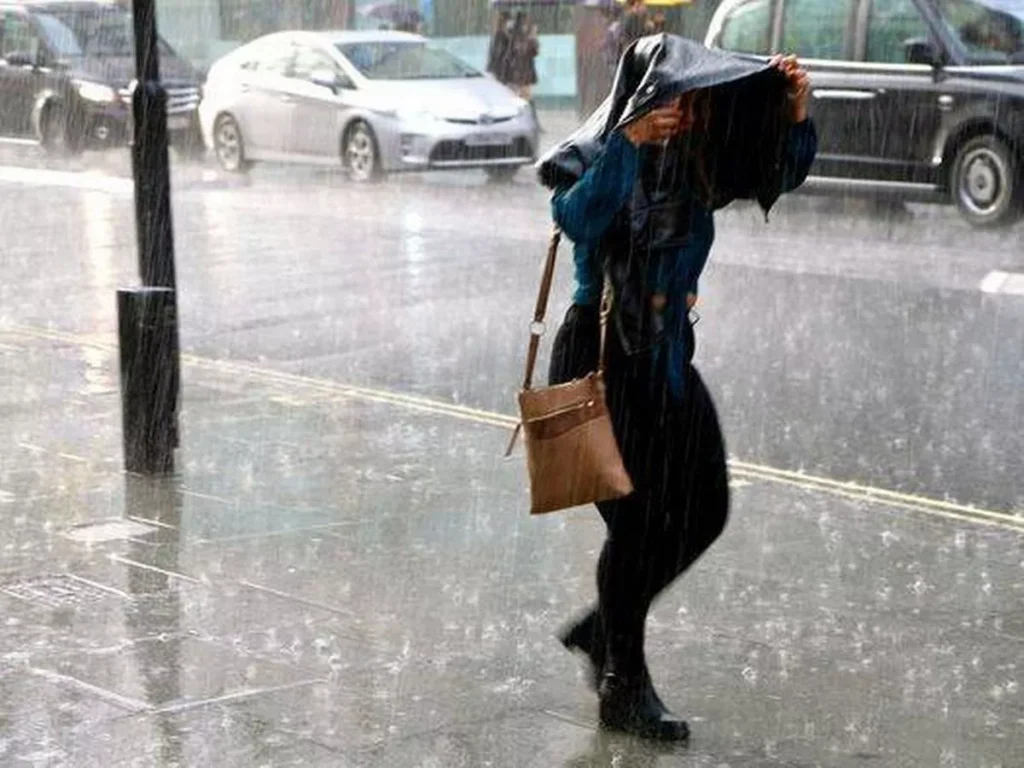

Extreme weather events are becoming more frequent, more intense, and more complex. Among the most fascinating and destructive of these phenomena is the 600 mile rainstorm—a massive weather system capable of stretching across multiple states, affecting millions of people, and reshaping landscapes in a matter of days. Unlike localized storms or short-lived downpours, a rainstorm of this scale represents a powerful atmospheric process that operates on a continental level.
What Is a 600 Mile Rainstorm?
A 600 mile rainstorm refers to a large-scale precipitation system that spans approximately 600 miles from end to end. This does not mean rain falls uniformly across the entire distance, but rather that the storm’s influence—cloud bands, moisture flow, and rainfall zones—covers a massive geographic area.
These storms are not single thunderclouds. Instead, they are complex systems made up of multiple weather components, including:
- Long bands of continuous rainfall
- Embedded thunderstorms
- Slow-moving or stalled frontal boundaries
- Persistent moisture streams from oceans or large water bodies
Such storms can last for several days, sometimes even longer, delivering relentless rainfall over the same regions.
How a 600 Mile Rainstorm Forms
Atmospheric Rivers and Moisture Transport
One of the key contributors to large rainstorms is the presence of atmospheric rivers—narrow corridors of concentrated water vapor that flow through the atmosphere. These moisture streams can carry more water than major rivers on land.
When an atmospheric river makes landfall and encounters favorable conditions, it can fuel rainfall across hundreds of miles.
Stalled Weather Patterns
A major reason a rainstorm grows to 600 miles in length is lack of movement. When high-pressure systems block a storm’s path, the rain-producing system becomes stationary or moves very slowly. This allows rainfall to persist over the same area for extended periods.
Jet Stream Alignment
The jet stream plays a critical role by guiding storm systems. When the jet stream aligns in a way that feeds continuous energy and moisture into a weather system, the storm can stretch and maintain its size over vast distances.
Temperature Contrast
Strong contrasts between warm, moist air and cooler air masses help sustain rainfall. This clash of air masses creates lift, condensation, and ongoing precipitation over large regions.
Why These Rainstorms Are So Dangerous
Prolonged Rainfall
Unlike short storms that dump heavy rain and move on, a 600 mile rainstorm delivers long-duration rainfall. Even moderate rain becomes dangerous when it falls continuously for days.
Widespread Flooding
Because these storms affect such a large area, river systems across entire regions can overflow simultaneously. This leads to:
- Flash flooding in urban areas
- River flooding in rural zones
- Dam and levee stress
- Landslides in mountainous regions
Infrastructure Overload
Roads, bridges, drainage systems, and power grids are designed with certain limits in mind. A rainstorm covering hundreds of miles often exceeds those limits, leading to:
- Highway closures
- Washed-out rail lines
- Power outages
- Water treatment failures
Economic and Social Impact
Damage to Agriculture
For farmers, a 600 mile rainstorm can be devastating. Crops may suffer from:
- Root rot due to saturated soil
- Delayed planting or harvesting
- Loss of nutrients through soil erosion
- Livestock displacement
Ironically, while rain is essential for agriculture, too much rain over too large an area can destroy entire growing seasons.
Urban and Rural Disruption
Cities may experience overwhelmed drainage systems, flooded basements, and transportation shutdowns. Rural communities often face isolation when roads are submerged or damaged.
In extreme cases, entire regions can be cut off from emergency services, food supplies, and medical care.
Long-Term Recovery Costs
Cleanup after a large-scale rainstorm is not quick. Costs often include:
- Infrastructure repair
- Housing reconstruction
- Environmental remediation
- Insurance claims and government aid
These financial impacts can linger for years.
Environmental Consequences
Soil Erosion and Land Degradation
Extended rainfall loosens soil structure, leading to massive erosion. Fertile topsoil can be washed away, reducing land productivity and increasing sediment in waterways.
River and Ecosystem Changes
Sudden influxes of water can alter river courses, damage wetlands, and disrupt aquatic ecosystems. Fish populations may be displaced, and invasive species can spread more easily after flooding events.
Pollution Spread
Floodwaters often carry pollutants such as oil, chemicals, sewage, and agricultural runoff. When spread across hundreds of miles, this contamination can affect drinking water sources and wildlife habitats on a large scale.
The Role of Climate Change
While large rainstorms have always occurred, evidence strongly suggests that climate change is increasing their intensity and frequency.
Warmer Air Holds More Moisture
As global temperatures rise, the atmosphere can hold more water vapor. This means storms have more fuel, resulting in heavier and more widespread rainfall.
Slower Storm Movement
Changes in atmospheric circulation patterns can cause storms to move more slowly, increasing the likelihood of prolonged rainfall over one region.
Increased Variability
Climate change is not just about warmer temperatures—it’s about instability. This instability leads to extreme weather events, including massive rainstorms that cover unprecedented distances.
How Meteorologists Track Massive Rainstorms
Modern forecasting relies on advanced tools to monitor and predict large-scale rain events:
- Satellite imagery tracks cloud systems and moisture flow
- Doppler radar measures rainfall intensity and movement
- Computer models simulate storm behavior days in advance
- Ground-based sensors monitor river levels and soil saturation
Despite these tools, predicting exact rainfall totals and flood impacts remains challenging due to the complex nature of large storms.
How Communities Can Prepare
Improved Infrastructure Planning
Cities and regions prone to large rainstorms must design infrastructure capable of handling extreme water loads. This includes:
- Expanded drainage systems
- Flood-resistant building codes
- Reinforced levees and dams
Early Warning Systems
Timely alerts save lives. Improved communication between meteorological agencies and local governments allows residents to prepare or evacuate when necessary.
Land Use Management
Avoiding development in flood-prone areas reduces long-term risk. Preserving wetlands and natural floodplains can help absorb excess water.
Personal Safety During Massive Rainstorms
Individuals can reduce risk by:
- Monitoring weather alerts
- Avoiding travel during heavy rainfall
- Never driving through flooded roads
- Preparing emergency kits with food, water, and medical supplies
Understanding that danger may persist even after rainfall stops is critical, as rivers can continue rising for days.
Why the 600 Mile Rainstorm Matters
The concept of a 600 mile rainstorm challenges how we think about weather. It shows that storms are not just local events—they are regional and sometimes continental forces shaped by global atmospheric conditions.
These massive rain systems remind us that:
- Weather does not respect borders
- Preparedness must be regional, not isolated
- Climate trends directly affect daily life
As populations grow and climate patterns shift, understanding large-scale rainstorms becomes not just a scientific concern, but a societal necessity.
Conclusion
A 600 mile rainstorm is more than just an impressive meteorological statistic—it is a powerful natural event with far-reaching consequences. From flooding and infrastructure damage to ecological disruption and economic loss, these storms test the resilience of communities and the limits of modern planning.
As science improves and awareness grows, the goal is not to eliminate such storms—because that is impossible—but to adapt, prepare, and respond more effectively. Understanding how these massive rain systems form and behave is a critical step toward reducing their impact and protecting lives in an increasingly unpredictable world.