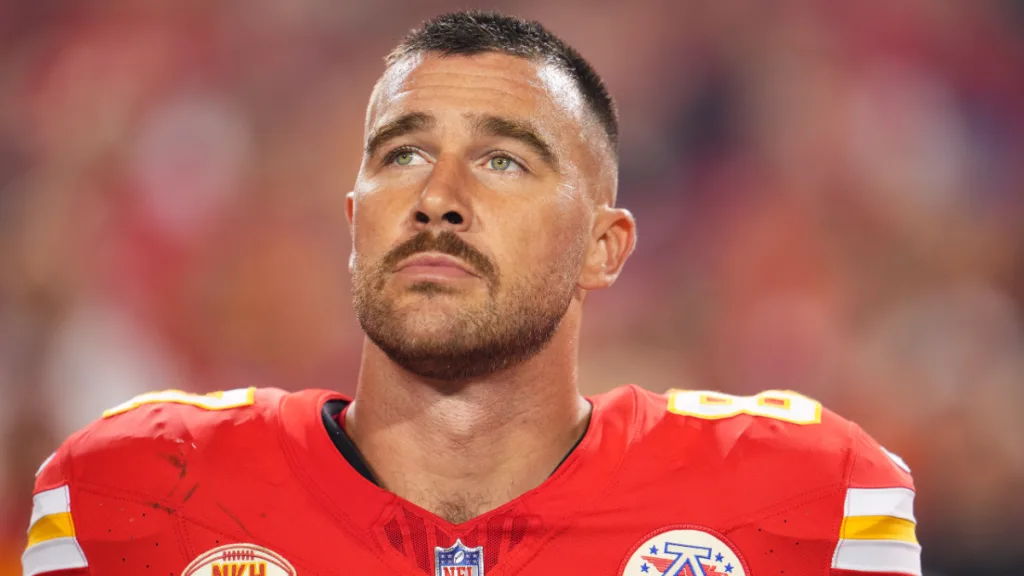

The phrase “Travis Kelce cut” has a strange power. Two short words can spark panic, curiosity, and endless debate among fans, analysts, and casual observers alike. Some hear it and imagine a shocking roster decision. Others think of a physical cut, a haircut, or a symbolic break with the past. In today’s sports culture—where headlines travel faster than context—phrases like this take on a life of their own.
This article is not written to chase rumors or recycle online chatter. Instead, it takes a deeper, human-centered look at why the idea of a “Travis Kelce cut” captures attention, what the word cut actually represents in professional football, and how conversations like these reveal bigger truths about the NFL, loyalty, aging stars, and the business side of the game.
Understanding the Weight of a Name
Travis Kelce is not just another tight end. Over the years, his name has become shorthand for excellence at the position, consistency in performance, and a larger-than-life personality that bridges sports and pop culture. When a player reaches this level of recognition, their name stops functioning as a simple identifier and starts working like a symbol.
That is why pairing Kelce’s name with the word cut feels jarring. Fans are conditioned to associate him with playoff runs, record-setting performances, and leadership. The suggestion—real or hypothetical—that such a player could be “cut” challenges deeply held assumptions about how greatness is treated in professional sports.
What “Cut” Really Means in the NFL
In football terminology, to be cut usually means a team releases a player from its roster. This can happen for many reasons: salary cap pressure, declining performance, injury concerns, or a shift in team strategy. Being cut does not necessarily mean a player has failed. Often, it means the business math no longer works.
However, the word cut also carries emotional weight. It implies separation, rejection, and finality. For younger players fighting for a roster spot, being cut is part of the grind. For established stars, even the idea of it feels almost disrespectful. This emotional reaction explains why the phrase “Travis Kelce cut” resonates so strongly.
The Business Versus the Bond
One of the core tensions in professional sports is the conflict between business decisions and emotional loyalty. Fans build long-term attachments to players. Jerseys are purchased, memories are formed, and identities are shaped around shared victories and defeats.
Teams, on the other hand, must operate within strict financial and competitive frameworks. Salary caps do not bend for sentiment. Age curves do not pause for nostalgia. When people discuss whether a star could ever be cut, they are really wrestling with this tension: Should loyalty override logic, or does logic always win in the end?
In Kelce’s case, the conversation becomes even more complex because of what he represents beyond statistics. Leadership, locker-room culture, and on-field chemistry are not easily measured, yet they hold enormous value.
Age, Longevity, and the Fear of Decline
Another reason the phrase gains traction is the unavoidable reality of time. Every athlete, no matter how dominant, eventually faces questions about longevity. Fans and analysts alike try to predict the moment when performance dips or injuries accumulate.
The idea of a “Travis Kelce cut” often emerges not from current failure, but from future anxiety. It is less about what he is doing now and more about what people fear might happen later. This kind of thinking says more about how sports audiences struggle with aging heroes than it does about any one player.
Media Language and Emotional Triggers
Modern sports media thrives on emotionally charged language. Words like cut, trade, and collapse generate clicks because they provoke strong reactions. Even when used hypothetically, they can feel definitive.
When a recognizable name is attached, the effect multiplies. The phrase becomes a trigger, prompting instant opinions before context is considered. This is not unique to Kelce, but his prominence makes him a perfect example of how language shapes perception.
Beyond the Roster: Other Meanings of “Cut”
Interestingly, the word cut does not always refer to roster decisions. In pop culture, it can mean a new look, a sharp style, or a decisive change in direction. Sometimes fans jokingly use it to describe a haircut or a dramatic moment on the field.
This flexibility adds to the confusion. Without context, “Travis Kelce cut” could point to something symbolic rather than literal. The ambiguity allows the phrase to circulate widely, even when no concrete event has occurred.
Respecting Legacy While Planning the Future
One of the hardest challenges for any franchise is honoring a player’s legacy while preparing for what comes next. Cutting or releasing a beloved veteran can feel like erasing history, even when it is done respectfully.
For players like Kelce, legacy is not just about numbers. It is about moments, leadership, and the culture built around them. That is why discussions about a possible cut often turn philosophical, asking what teams owe their legends and what legends owe their teams.
Fan Reactions and Identity
Fans often react to the idea of a star being cut as if it were a personal loss. This reaction is rooted in identity. Supporting a team is rarely just about wins and losses; it is about belonging.
When a familiar figure is removed—or even hypothetically threatened—it disrupts that sense of continuity. The phrase “Travis Kelce cut” taps into this emotional core, making it far more potent than a simple roster term.
The Player’s Perspective
While fans and media speculate, it is worth considering how players themselves might view such discussions. Elite athletes are aware of the business side of sports, but that does not make it easy.
For someone who has invested years into a team and community, the idea of being cut can feel deeply personal, even if it is understood professionally. This human element is often lost in debates focused solely on numbers and strategy.
Why the Conversation Matters
At first glance, debating a “Travis Kelce cut” might seem like idle speculation. In reality, it serves as a lens through which we can examine broader issues in sports culture: how we talk about aging, how we balance loyalty with logic, and how language influences emotion.
These conversations force fans to confront uncomfortable truths about the impermanence of greatness. They remind us that no career, no matter how brilliant, is immune to change.
A Reflection of the Modern NFL
The NFL today is faster, more analytical, and more financially complex than ever before. Decisions that once seemed unthinkable are now openly discussed. In this environment, even the most respected names are subject to hypothetical scrutiny.
The phrase “Travis Kelce cut” is less a prediction and more a reflection of this reality. It shows how the league has evolved and how conversations around players have shifted from reverence to constant evaluation.
Conclusion: More Than Two Words
Ultimately, “Travis Kelce cut” is not just a phrase—it is a conversation starter. It carries fear, curiosity, respect, and controversy all at once. It challenges fans to think beyond emotion while also acknowledging that emotion is an inseparable part of sports.
Whether the term is used seriously, jokingly, or hypothetically, its impact reveals how deeply certain players are woven into the fabric of the game. Travis Kelce’s significance ensures that any discussion involving his name will be charged with meaning.
In the end, the phrase matters not because of what it predicts, but because of what it exposes: our relationship with sports heroes, our discomfort with endings, and our ongoing attempt to reconcile heart and logic in a game that demands both.