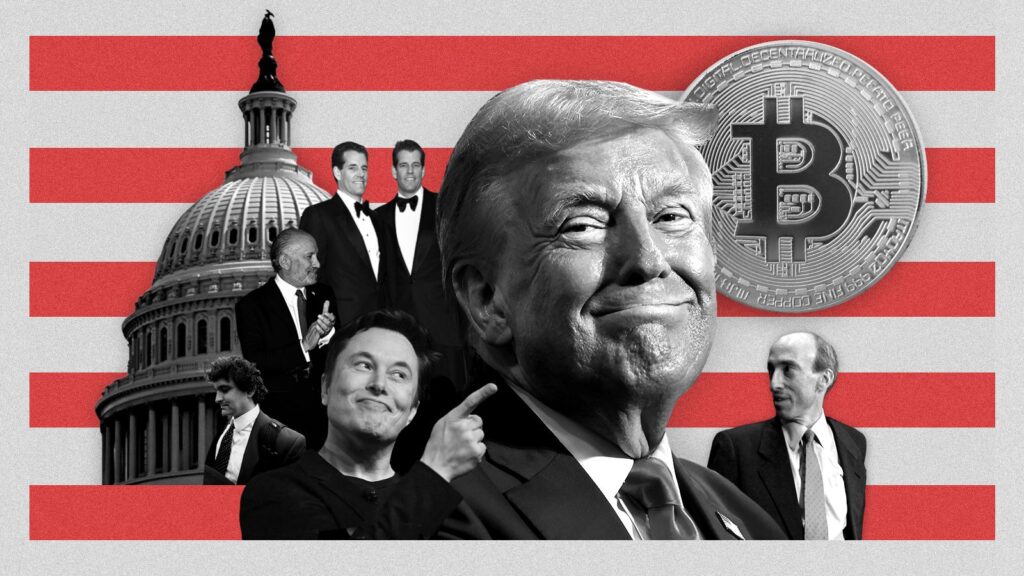

The relationship between Donald Trump and cryptocurrency has evolved from skepticism to strategic engagement, mirroring a broader transformation in how digital assets intersect with politics, economics, and global power. Once dismissive of Bitcoin and other cryptocurrencies, Trump’s later involvement in crypto-adjacent initiatives has ignited debates across financial markets, political circles, and the blockchain community.
This article explores Trump & crypto from multiple angles—his early criticism, policy influence, NFT ventures, political signaling, and what his involvement could mean for the future of cryptocurrency regulation and adoption in the United States.
Understanding the Trump & Crypto Narrative
When discussing Trump and crypto, it is essential to separate personal opinion, political positioning, and strategic opportunity. Unlike many Silicon Valley-backed politicians, Trump did not emerge from a pro-crypto ideology. His engagement appears reactive, opportunistic, and aligned with branding rather than technological evangelism.
Yet, due to his political influence and global recognition, even indirect involvement from Trump carries weight in the crypto ecosystem.
Trump’s Early View on Cryptocurrency
In the late 2010s, Donald Trump publicly criticized cryptocurrencies, particularly Bitcoin, labeling them volatile and potentially dangerous to the dominance of the U.S. dollar. His concerns echoed traditional financial fears:
- Cryptocurrencies threaten fiat monetary control
- High volatility poses investor risk
- Potential use in illegal activities
- Weak consumer protections
At the time, Trump framed crypto as an adversary to national economic stability rather than an innovation worth nurturing.
The U.S. Dollar vs. Decentralized Money
Trump’s criticism was rooted in his strong support for the U.S. dollar as the world’s reserve currency. From a geopolitical standpoint, decentralized currencies challenge:
- Dollar hegemony
- Federal monetary policy
- Central banking authority
From this perspective, Trump’s resistance to crypto aligned with nationalist economic principles rather than technological opposition.
The Shift: From Critic to Crypto Participant
Despite early hostility, Trump’s stance began to soften indirectly, not through policy speeches but through personal ventures. The most notable shift came with Trump-branded NFT collections.
These NFTs were not endorsements of decentralization or blockchain philosophy. Instead, they represented:
- Digital branding
- Fundraising tools
- Fan engagement mechanisms
- Political symbolism
This pivot highlighted an important distinction: Trump may not support crypto ideologically, but he recognizes its commercial and cultural power.
Trump NFTs and Political Branding
Trump-themed NFTs marked a turning point in the Trump & crypto conversation. These digital collectibles leveraged blockchain technology while avoiding ideological alignment with the crypto movement.
From a marketing standpoint, NFTs offered:
- Scarcity-driven value
- Direct-to-supporter monetization
- Viral social media reach
- Minimal reliance on traditional finance
For crypto markets, Trump NFTs validated blockchain as a mainstream political fundraising tool, even if the underlying philosophy remained secondary.
Political Influence on Crypto Regulation
While Trump himself did not introduce comprehensive crypto legislation, his presidency shaped the regulatory environment indirectly.
Key institutions influenced during this period included:
- Securities and Exchange Commission
- Commodity Futures Trading Commission
- Federal Reserve
Appointments to these bodies emphasized caution, enforcement, and investor protection over innovation.
Regulation Over Innovation: A Conservative Approach
Under Trump-era governance, crypto regulation leaned toward:
- Strong enforcement actions
- Emphasis on securities laws
- Limited regulatory clarity for startups
- Skepticism toward decentralized finance (DeFi)
This approach contrasted with crypto-friendly jurisdictions that prioritized sandbox environments and innovation-first regulation.
Trump, Crypto, and Political Messaging
Crypto has increasingly become a political signal rather than a financial instrument. In Trump’s case, crypto messaging appeals to:
- Anti-establishment voters
- Libertarian-leaning supporters
- Tech-skeptical yet innovation-curious audiences
- Younger, digitally native demographics
By engaging with NFTs and crypto-adjacent platforms, Trump positioned himself as adaptive rather than resistant, without abandoning his core political identity.
The Role of Crypto in Modern Campaigns
Cryptocurrency and blockchain now play roles in:
- Political donations
- Grassroots fundraising
- Community building
- Digital identity and ownership
Trump’s selective adoption of crypto tools reflects a broader trend: politicians using blockchain without fully endorsing decentralization.
Market Reaction to Trump & Crypto News
Historically, any Trump-related announcement triggers market volatility. In crypto markets, this effect is amplified due to:
- Retail-driven speculation
- Social media influence
- Meme culture
- Narrative-based trading
Trump-linked crypto headlines often spark short-term price movements, particularly in meme coins and NFT-related assets.
Speculation vs. Substance
It is important to note that Trump’s involvement has not resulted in:
- Direct crypto policy reform
- National blockchain initiatives
- Legal clarity for exchanges
- Institutional adoption frameworks
Instead, his influence remains symbolic, speculative, and sentiment-driven.
Trump vs. Traditional Crypto Advocates
Unlike crypto-native advocates who emphasize decentralization, privacy, and censorship resistance, Trump’s engagement focuses on:
- Brand leverage
- Political capital
- Monetization
- Visibility
This distinction explains why parts of the crypto community remain divided on Trump’s role—some see validation, others see opportunism.
Implications for the Future of Crypto in the U.S.
The Trump & crypto relationship highlights a critical reality: crypto’s future in the U.S. is political.
Key takeaways include:
- Crypto adoption depends on political narratives
- Regulation follows public sentiment, not innovation alone
- High-profile figures legitimize technology indirectly
- Blockchain is now embedded in political strategy
Regardless of personal beliefs, Trump’s involvement confirms crypto’s arrival as a permanent fixture in modern power structures.
Could Trump Become Pro-Crypto?
A fully pro-crypto Trump stance would require:
- Acceptance of decentralization principles
- Support for regulatory clarity
- Endorsement of innovation-friendly policies
While possible, it remains unlikely unless crypto aligns directly with nationalistic economic goals.
Trump & Crypto: A Strategic Relationship
Ultimately, Trump and crypto share a transactional relationship. Crypto offers tools, attention, and monetization. Trump offers visibility, controversy, and influence.
Neither side fully embraces the other—but both benefit.
Final Thoughts
The story of Trump & crypto is not about ideology; it is about power, branding, and adaptation. From outspoken critic to selective participant, Trump’s journey mirrors crypto’s own path—from fringe technology to mainstream political asset.
Whether viewed as opportunism or evolution, one fact remains clear: when politics and crypto intersect, markets listen, narratives shift, and the future of digital finance becomes inseparable from global leadership.